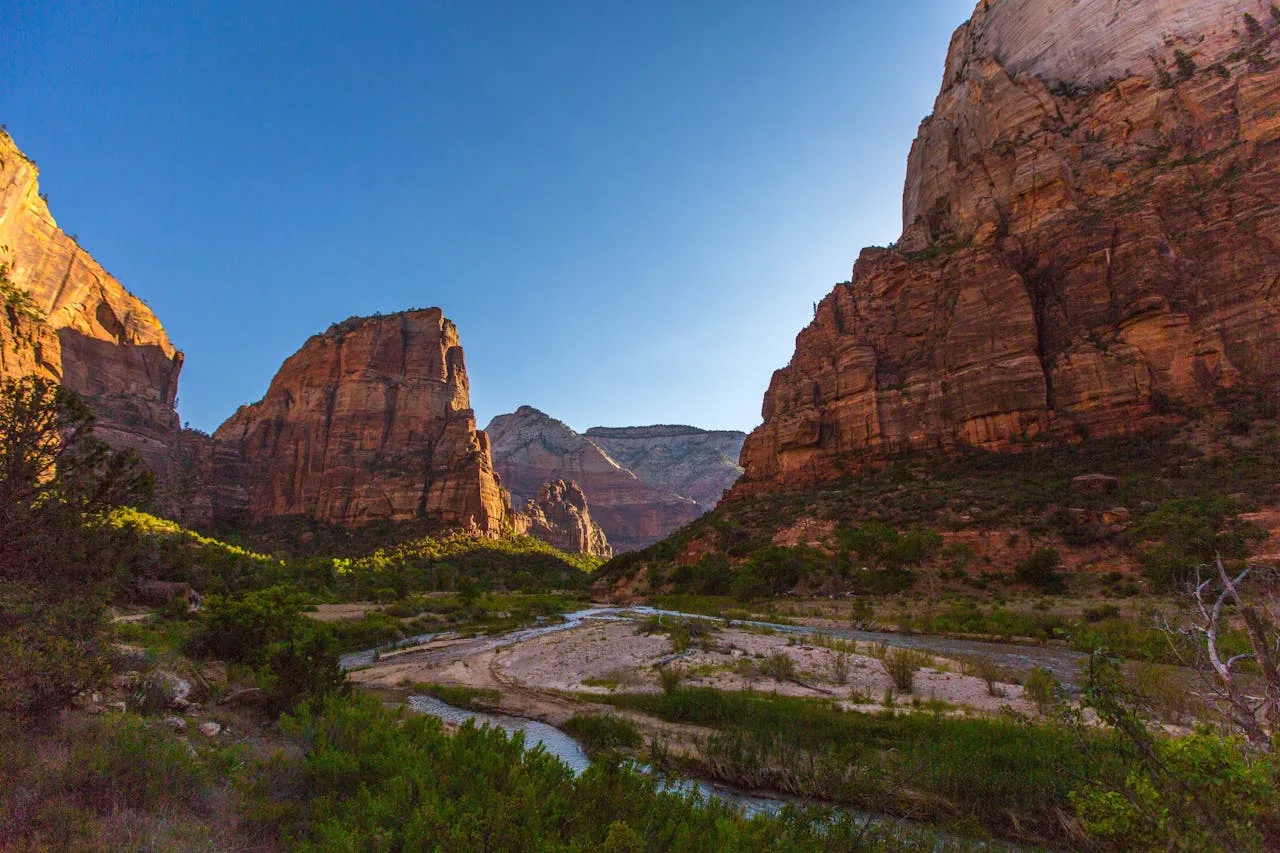
Zion National Park is one of America's most stunning natural treasures—a place where red cliffs meet crystal streams and canyon walls tell stories millions of years old. But for travellers with limited mobility, visiting such a rugged landscape can raise questions about accessibility and comfort. Fortunately, Zion has made great strides toward becoming welcoming to all visitors, with thoughtfully designed trails, scenic drives, and inclusive resources that help every traveller experience the park's magic.
This guide explores the best wheelchair-accessible viewpoints, paved trails, and travel tips for those seeking a safe and enjoyable Zion adventure. Whether you're planning a quick stop or a multi-day stay near Virgin, Utah, this resource will help you make the most of your accessible visit to Zion.
The Beauty of Zion, Designed for All
Zion National Park covers over 146,000 acres of breathtaking canyon country in southern Utah. The park's name—Zion—means "a place of peace and refuge," and modern accessibility efforts ensure that promise extends to everyone. The National Park Service (NPS) has improved several facilities, trails, and shuttle systems to accommodate travellers using wheelchairs, scooters, or walkers.
Before you arrive, visit the NPS accessibility page for Zion National Park. It offers downloadable maps indicating wheelchair-friendly stops, bathrooms, and accessible shuttle options. Rangers at the Visitor Center are also trained to assist with personalised recommendations based on mobility needs and weather conditions.
Wheelchair-Accessible Trails and Walkways
Zion's topography may appear rugged, but several paved and gently graded paths invite all visitors to explore nature up close.
- Pa'rus Trail
This is the crown jewel of Zion's accessible trails. The 3.5-mile round-trip path runs along the Virgin River from the Visitor Center to Canyon Junction. It's fully paved, wide, and mostly flat, making it ideal for wheelchairs and mobility aids. You'll find scenic bridges, wildflowers in spring, and countless photo stops along the way.
- Riverside Walk
Near the Temple of Sinawava shuttle stop, this tranquil 2.2-mile round-trip trail follows the Virgin River. It's partially paved and considered accessible up to the last viewpoint. The sounds of gentle water echoing off red rock walls create a meditative atmosphere—perfect for slowing down and soaking it in.
- Lower Emerald Pool Trail (Partial Access)
While parts of the trail include stairs, the initial paved portion offers impressive views of waterfalls and cliffs. Visit early morning for cooler temperatures and fewer crowds.
- Visitor Center and Museum Areas
Both facilities feature paved sidewalks, accessible parking, and restrooms. The Human History Museum features exhibits at chair-level viewing height, along with tactile displays and closed-captioned videos for inclusive learning.
The Scenic Drive Experience
One of Zion's best accessibility features is its shuttle system. During most of the year, private vehicles are restricted in the main canyon, but
Zion Canyon Shuttle buses are fully wheelchair accessible and run frequently throughout the day. The onboard ramps and reserved spaces ensure riders with mobility devices can board easily.
If you're visiting during the off-season when personal vehicles are allowed, the Zion Canyon Scenic Drive provides pullouts and picnic stops designed for barrier-free viewing. Keep an eye out for the Court of the Patriarchs, Big Bend, and Weeping Rock viewpoints—all offering memorable views without the need to hike.
Accessible Lodging and Nearby Accommodations
Accessibility doesn't stop at the park entrance. Nearby communities such as Springdale and Virgin, Utah, have embraced inclusive hospitality through wide entrances, roll-in showers, and ADA-compliant amenities. For those seeking comfort and proximity, a range of
Virgin Utah lodging options offer wheelchair-accessible cabins, hotels, and farm-style retreats ideal for all travellers.
When booking, always confirm ADA compliance details directly with the property to ensure the space suits your specific needs. Local tourism websites often maintain updated lists of accessible accommodations and restaurants, helping visitors prepare before arrival.
Insider Tips for a Seamless Visit
- Hydrate and Pack Smart: The desert can be hot even in spring, so keep plenty of water handy. Compact, sleek backpack coolers are perfect for temperature control and mobility-friendly storage.
- Plan Around Shuttle Hours: Check the NPS Zion schedule for current shuttle operating times and stops with ramp access.
- Timing Matters: Spring and fall offer pleasant weather and fewer crowds—making accessibility easier.
- Adaptive Equipment Rentals: Companies in Springdale rent all-terrain wheelchairs, electric scooters, and mobility aids designed for outdoor terrain.
- Stay Informed: Weather can change quickly. Always check conditions before exploring, as some paved trails can become slippery after rainfall.
Inclusive Resources Beyond the Canyon
Zion isn't the only accessible gem in southern Utah. Bryce Canyon National Park, Cedar Breaks National Monument, and Snow Canyon State Park also offer paved overlooks and inclusive experiences within a short drive. Many travellers find Virgin or Springdale excellent bases for exploring all these destinations while staying close to Zion's gateway.
The NPS also provides an
Access Pass, a free lifetime entrance pass for U.S. residents with permanent disabilities. It covers entry to over 2,000 Federal recreation sites, making continued adventure both affordable and inspiring.
Experience Zion—Your Way
Zion National Park proves that natural beauty can be truly universal. With thoughtful trail design, accessible facilities, and dedicated community resources, visitors with limited mobility can fully immerse themselves in the red cliffs, emerald pools, and star-filled skies that define this extraordinary landscape.
The essence of Zion is connection—between land and spirit, between challenge and triumph. Whether viewing the canyon from a shuttle window, a riverside bench, or a paved overlook at sunset, accessibility ensures that everyone can share in that connection.