A weekend here can feel like two different trips. One version is a blur of reservations, rides, and rushing. The other is simple: one standout water day, plus a few calm anchors that make the whole weekend feel smooth.
This itinerary is built for the second version. You will still do plenty, but you will do it in a way that protects your energy. The goal is not to cram. The goal is to enjoy.
The 72-Hour Game Plan
Think of this weekend like a triangle. You need a stable base before the big moment, and a soft landing after it. That means light arrival day, one big water day, then a slow goodbye morning.
This plan works well if you are a first-timer, travelling as a couple, or doing a friend's weekend where you want fun without chaos. If you love intense schedules, you can still use this, but treat it as a backbone, not a cage.
Before You Land: 3 Smart Moves That Make the Weekend Smoother
First, choose a home base that matches how you move. If you want to walk to food and quick errands, stay near the marina and central areas. If you want quieter nights, aim for a calmer stretch and accept a few rides.
Second, decide how you will get around once, then stop thinking about it. Pre-book the airport ride if that lowers stress, and plan to walk when you can. A weekend can feel longer when you are not constantly negotiating transportation.
Third, book your water day early. This is the anchor. When it is locked in, everything else becomes easier to arrange around it.
Day 1: Arrive, Reset, Keep It Light
Late afternoon: check-in and a low-effort reset
After travel, your body is usually thirsty and a little sun-sensitive, even if you do not feel it yet. Hydrate first, eat something simple, and do not start the trip with a huge mission.
Take a short walk to get oriented. Learn where the closest pharmacy, convenience store, and ATM are. That tiny bit of scouting pays off later.
Early evening: your first “this is the weekend” moment
Pick one easy highlight: a viewpoint, a marina stroll, a casual dinner. Keep the night early enough that you wake up feeling normal, not wrecked.
If you want a simple rule: stop adding plans once you feel content. That is the secret to not burning out on night one.
Day 2: The Water Day That Becomes the Memory
Morning: do the basics right
Start with a real breakfast. It does not have to be big, but it should be steady. You want fuel, not just coffee. Sun protection matters more than people think, so apply it early and reapply before you board.
Bring the small things that prevent annoying problems: cash for tips or small purchases, sunglasses that stay put, and a light layer for wind on the water.
Midday: what the experience usually feels like
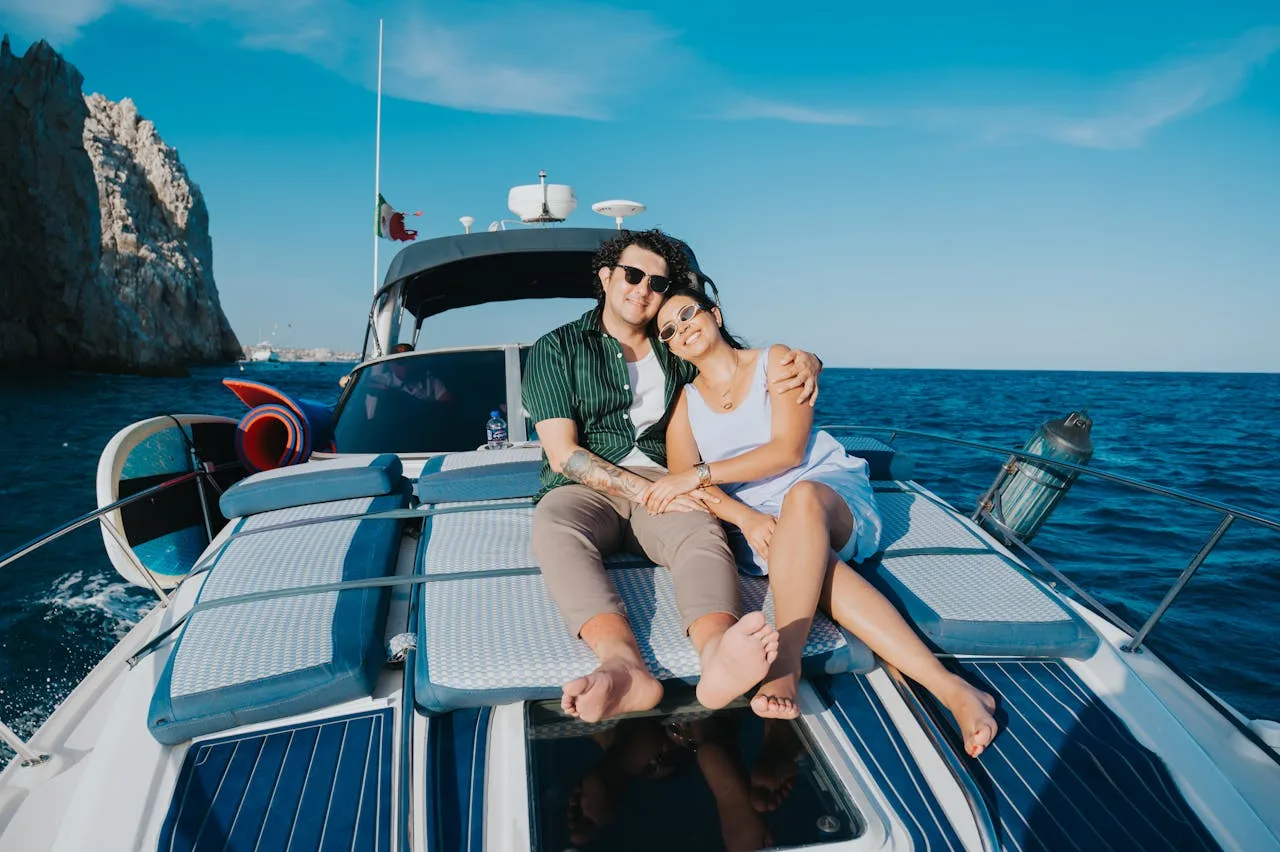
Most boat days are calmer than people expect. Once you are out there, the noise drops. The horizon opens up. The pace slows. That change of pace is the point.
If you want more privacy and control, this is where private catamarans can make a real difference. You can choose the vibe, set the timing, and avoid feeling like you are following someone else’s schedule.
A common highlight is passing The Arch, which looks completely different from the water than it does from land. Even if you do not do a dedicated arch-focused outing, seeing it from the right angle is a “save it to your phone forever” kind of moment.
If you are comparing operators, look at what is included, what is optional, and how long you are actually on the water. Companies like La Isla Tour typically list what’s part of the trip clearly, so you can compare without guessing.
Afternoon: land softly, do not stack a second big thing
After a long water day, you might feel energised and tired at the same time. Do not use that as a reason to schedule another major activity. Plan for a shower, a reset, and a slow dinner.
Choose one easy add-on if you want it: a beach hour, a short walk, or a relaxed meal. The goal is to keep the day feeling complete, not crowded.
Day 3: Slow Morning, One Last Hit of the Weekend, Go Home Happy
Morning: choose one simple goodbye ritual
Pick a small final moment that does not require logistics. Coffee and a short walk works. A quick stop for a small souvenir works. A last breakfast you actually sit down for works.
The only thing to avoid is turning the morning into a sprint. Your flight day should feel clean.
Checkout and airport timing that saves stress
Build in buffer time. Traffic and lines are real, and a rushed airport run can sour the whole trip. Leave earlier than you think you need to, especially if you are returning a rental or coordinating a pickup.
If Your Flight Times Are Weird: Two Easy Variations
If you arrive late on Day 1, make that night purely functional. Eat, hydrate, sleep. Protect the water day by not trying to “make up for lost time.”
If you leave early on Day 3, shift your final special moment to Day 2 evening. Make dinner your closer, then let the morning be simple and quiet.
What to Pack for a Weekend Built Around the Water
You do not need a perfect packing list. You need a practical one. Bring what you will actually use.
- Reef-safe sunscreen and lip balm with SPF
- A hat and sunglasses that stay secure
- A light long-sleeve layer for wind
- A dry bag or zip pouch for phone and wallet
- Water shoes or sandals that grip
- A small towel and a change of clothes
- Motion-sickness support if you are prone to it
- Cash for small expenses and tips
If you plan to go the more curated route with private catamarans, pack like you want comfort, not just survival. A light layer and a dry bag alone can change your whole day.
Common Mistakes That Make the Weekend Feel Stressful
The biggest mistake is overbooking. You land, you want to do everything, then you spend the trip recovering. Leave space on purpose.
Another mistake is underestimating the sun and wind. People focus on heat, but the wind can dry you out fast. Hydration and sunscreen are not optional.
Finally, do not plan a heavy night before your big water day. If you want nightlife, save it for after, or keep it modest. Your body will thank you.
Mini FAQ
When should I schedule the water day? Day 2. It gives you time to arrive, and it gives you a recovery window before leaving.
Is it worth planning around one big experience? Yes, because it makes decisions easier. One anchor plan simplifies everything else.
What if I get motion sick? Start with food in your stomach, hydrate, and avoid heavy drinking. Sit where you feel stable, and consider medication you already know works for you.
Should I do an Arch-focused outing? If you are excited about it, great. If you just want to see it in a natural way, many routes pass The Arch without making the whole day about it.
Closing thought
A good 72-hour trip is not measured by how many things you checked off. It is measured by how present you felt while you were doing them. Build the weekend around one unforgettable water day, keep the rest light, and you will go home feeling like you actually got away.