Spain’s cities are shaped by layers of history, regional identity, and daily routines that differ noticeably from one place to the next. Travelling between them reveals how architecture, food, and pace shift across relatively short distances. This guide focuses on several key cities and the rail connections that make it easy to link them into a single trip.
Getting between Spain’s major cities
Rail travel is one of the most efficient ways to move across Spain, particularly on routes served by high-speed AVE trains operated by Renfe. Booking a
train from Barcelona to Valencia is a straightforward process, with multiple departures each day and journey times of around three hours depending on the service. Trains are generally punctual, with reserved seating and space for luggage, which makes planning easier compared to driving. Stations are located close to city centres, reducing the need for long transfers on arrival. Tickets can be booked online in advance, often at lower prices if purchased early. The network connects most major cities directly, allowing you to travel without complicated changes. Onboard conditions are consistent, with air conditioning, power outlets on many routes, and a quiet atmosphere. This makes rail a practical option for both short and longer journeys. It also allows you to see the landscape change gradually between regions.
Madrid as a central hub
Madrid sits at the centre of Spain’s rail network, making it a natural hub for travel in multiple directions. Booking a
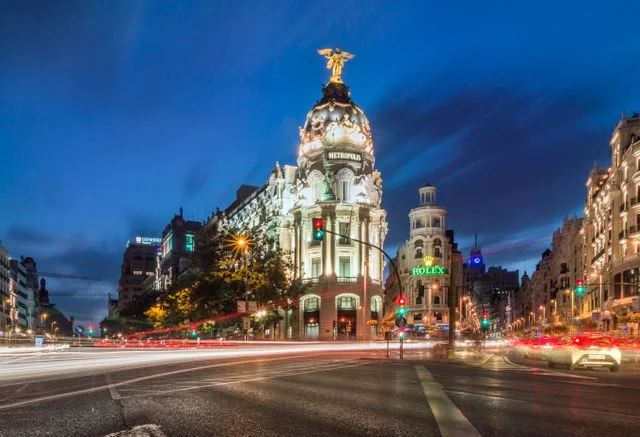
train from Madrid to Seville gives you access to high-speed services that complete the journey in around two and a half hours. The city itself is defined by wide boulevards, large public squares, and a mix of historic and modern buildings. Areas such as Puerta del Sol and Plaza Mayor act as central meeting points, often busy throughout the day. Museums play a significant role, particularly along the Paseo del Prado, where institutions like the Prado Museum and Reina Sofía are located close together. Madrid’s parks, including Retiro Park, provide space away from the denser parts of the city. The food scene ranges from traditional taverns to more contemporary restaurants, often concentrated in neighbourhoods like La Latina. Public transport is extensive, with metro lines covering most areas and trains connecting to other regions. The city’s position makes it an efficient base for exploring Spain. Spending a few days here gives a clear sense of its role as both a capital and a transport centre.
Barcelona’s coastal character
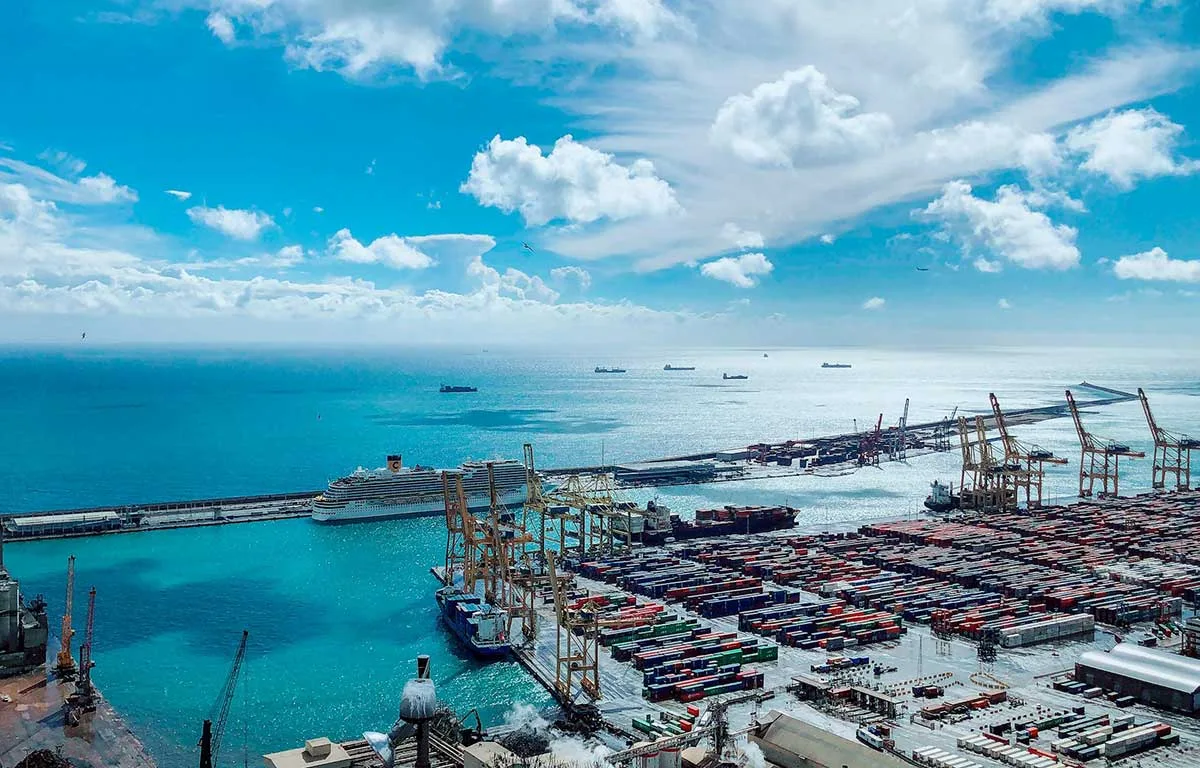
Barcelona combines urban density with access to the Mediterranean, creating a city that feels different from Spain’s inland destinations. The layout is defined in part by the Eixample district, known for its grid pattern and wide avenues. Landmarks such as Sagrada Família and Park Güell reflect the influence of architect Antoni Gaudí, whose work is visible across the city. The waterfront adds another layer, with beaches that are within walking distance of central neighbourhoods. Public transport includes metro, buses, and trams, making it easy to move between districts. The city is active throughout the day, though evenings tend to be when restaurants and public spaces become busier. Markets such as La Boqueria offer a mix of local produce and prepared food. Barcelona also works well as a starting point due to its international airport and rail connections. Spending a few days here allows time to explore both the main sights and quieter neighbourhoods.
Valencia and the eastern coast
Further south along the coast, Valencia offers a different balance between old and new. The historic centre includes landmarks such as the Valencia Cathedral and narrow streets that contrast with the more open layout of Barcelona. At the same time, the City of Arts and Sciences introduces modern architecture on a large scale, with museums and cultural spaces set within landscaped surroundings. Valencia’s beaches are broader and less crowded than those in Barcelona, particularly outside peak season. The Turia Garden, a former riverbed converted into a green space, runs through the city and connects several districts. Cycling is a common way to get around, supported by flat terrain and dedicated paths. The pace here is slightly slower, with fewer large crowds compared to Barcelona. Food is central to daily life, with the region known for dishes such as paella. Valencia works well as a midpoint stop when travelling along the eastern coast. It provides a contrast without requiring long travel times.
Seville and Andalusian rhythm
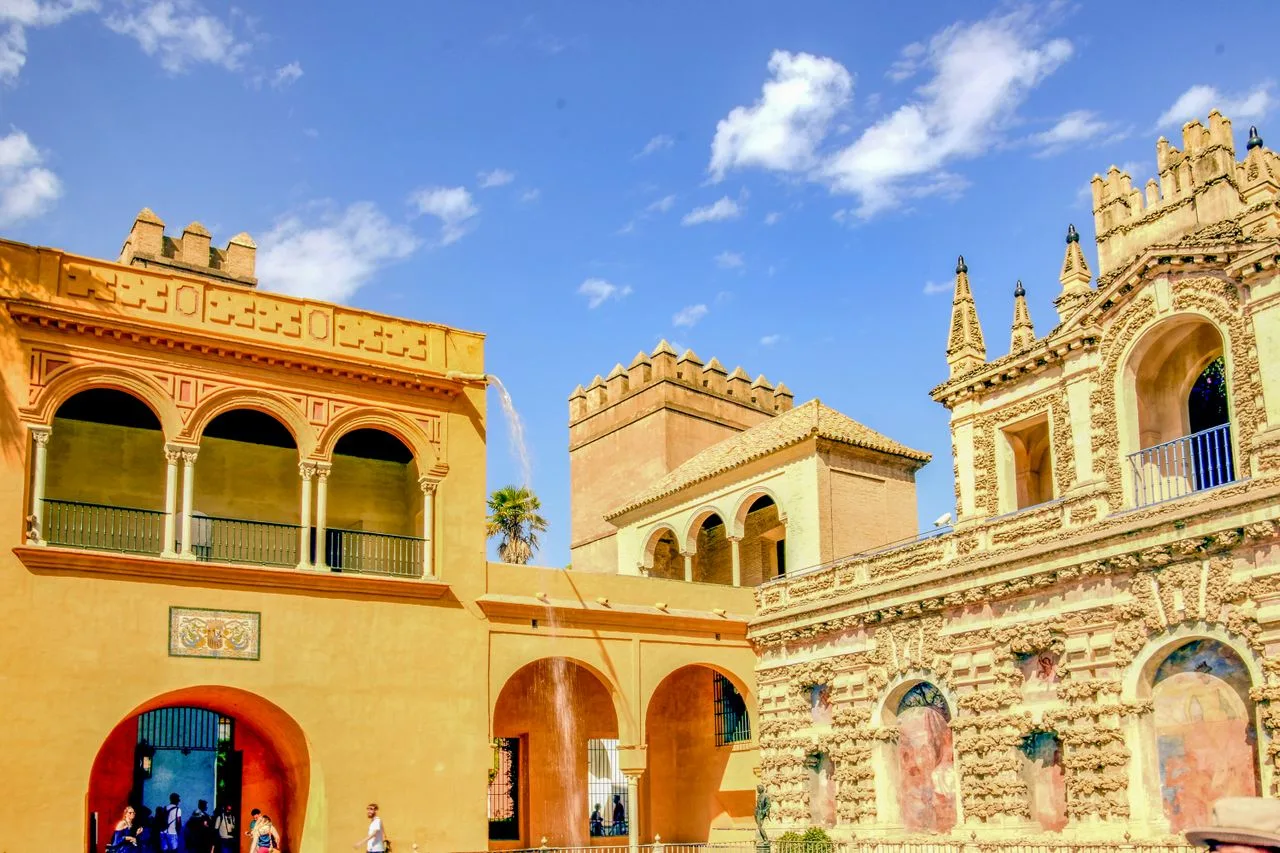
Seville offers a different atmosphere from Madrid, with a more compact layout and a daily rhythm shaped by the southern climate. The historic centre is best explored on foot, with landmarks such as Seville Cathedral and the Alcázar reflecting the city’s Moorish and Christian influences. Streets are narrower, and many areas include shaded courtyards that help manage the heat in summer. The Guadalquivir River runs alongside the centre, adding open space to the otherwise dense layout. Seville is known for its evening activity, with later dining times and busy public spaces after sunset. Afternoons tend to be quieter, especially in warmer months. This shift in pace is part of what defines the city’s character. Compared to Madrid, the atmosphere feels less constant and more tied to the time of day.
Granada and the southern interior
Granada offers a different perspective on southern Spain, with a setting at the base of the Sierra Nevada mountains. The city is best known for the Alhambra, a large complex of palaces and gardens that reflects centuries of Islamic architecture. The Albaicín district, with its narrow streets and hillside views, provides one of the most recognisable perspectives of the city. Granada is smaller than Seville, which makes it easier to explore on foot, although the steep, cobbled streets of the Albaicín make
comfortable women's shoes a sensible choice for a day of sightseeing. The presence of a large student population contributes to a more relaxed atmosphere. Tapas culture is particularly strong here, with many bars serving small dishes alongside drinks. The combination of mountain views and historic architecture creates a distinct setting. Travel connections from Seville or Madrid are straightforward, though journey times are slightly longer than some other routes. Spending a couple of days here allows time to explore both the main sites and the surrounding areas. It adds depth to a southern Spain itinerary.
Bringing the cities together
Exploring Spain by rail makes it possible to connect coastal cities, inland capitals, and southern destinations without complicated planning. Each city offers a different experience, shaped by geography, history, and daily life. Moving between them highlights how quickly these elements can change across regions. With reliable connections and manageable travel times, it is practical to combine several destinations in one trip. Choosing where to spend more time depends on your interests, but each stop adds a different perspective on the country.