Between mainland Norway and the North Pole lies Svalbard, a remote archipelago that ranks among the world's northernmost inhabited areas. A
trip to Svalbard reveals dramatic glaciers, Arctic wildlife, and summer's never-ending daylight—an experience that feels almost otherworldly. The raw landscapes provide perfect settings for Northern Lights chasing, polar desert hiking, and observing wildlife in pristine natural habitats.
Most travellers enter through Longyearbyen, the surprisingly accessible main hub that balances frontier rawness with unexpected comforts. This gateway town serves both as a starting point and a sanctuary in the harsh polar environment.
Wildlife Safari
Encountering Arctic wildlife remains central to any Svalbard visit. Boat and snowmobile safaris reveal the region's most remarkable inhabitants in their natural environment. Polar bears rule these territories, though seeing them safely requires knowledgeable guides maintaining proper distance. These magnificent predators patrol sea ice and shorelines, hunting seals across the frozen landscape.
Arctic foxes undergo stunning seasonal transformations—white winter coats give way to brown summer fur, making them fascinating to track and photograph. Svalbard reindeer have adapted uniquely to local conditions, developing stockier builds and shorter legs than their mainland cousins. They graze tundra vegetation throughout the year, occasionally wandering near settlements.
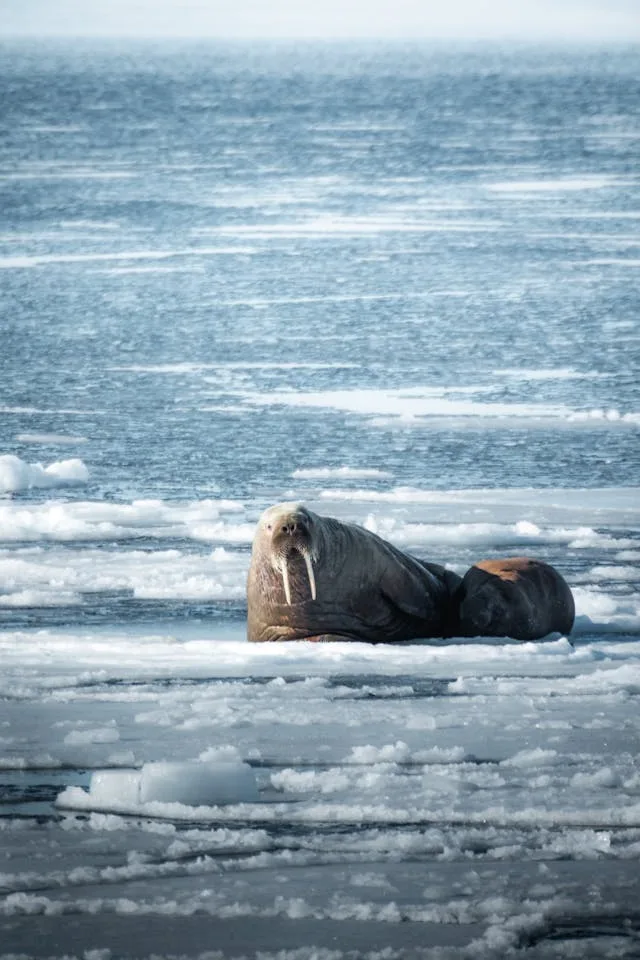
The marine environment supports walruses that gather on remote beaches, their tusks and whiskered faces instantly recognisable. Summer months bring minke, beluga, and sometimes blue whales to Svalbard waters, while various seal species populate ice floes across the archipelago.
Longyearbyen Exploration
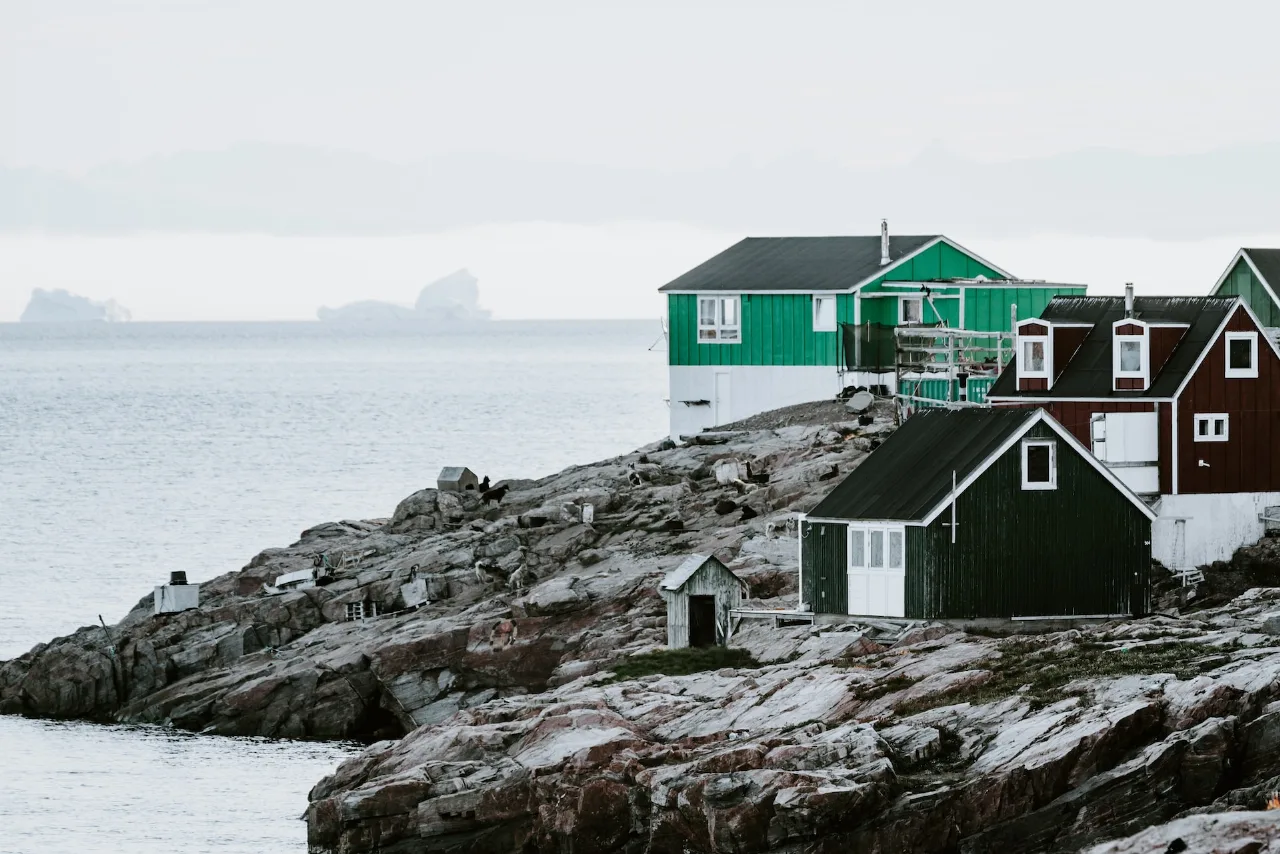
Brightly painted buildings stand against mountain backdrops in Longyearbyen, creating stark visual contrast with the surrounding wilderness. Svalbard Church serves both as a spiritual centre and a historical landmark, welcoming visitors through its simple wooden doors regardless of their faith background.
Galleri Svalbard displays artwork inspired by unique Arctic conditions, with photography capturing light phenomena found nowhere else on Earth. The historic Huset building represents early settlement architecture while containing a restaurant and surprisingly extensive wine cellar—luxuries unexpected this far north.
Svalbard Museum
This thoughtfully curated institution provides context about regional history, culture, and fragile ecosystem dynamics. Exhibits document early exploration challenges, whaling operations that nearly wiped out certain marine mammals, and mining activities that established permanent human presence. Modern displays examine ongoing scientific research and track climate changes affecting the archipelago at rates exceeding global averages.
Dog Sledging and Snowmobiling
Traditional Arctic travel methods now offer authentic experiences for visitors seeking deeper connections with the landscape. Dog sledging teams respond eagerly to commands while crossing snow-covered valleys beneath star-filled winter skies or Northern Lights displays.
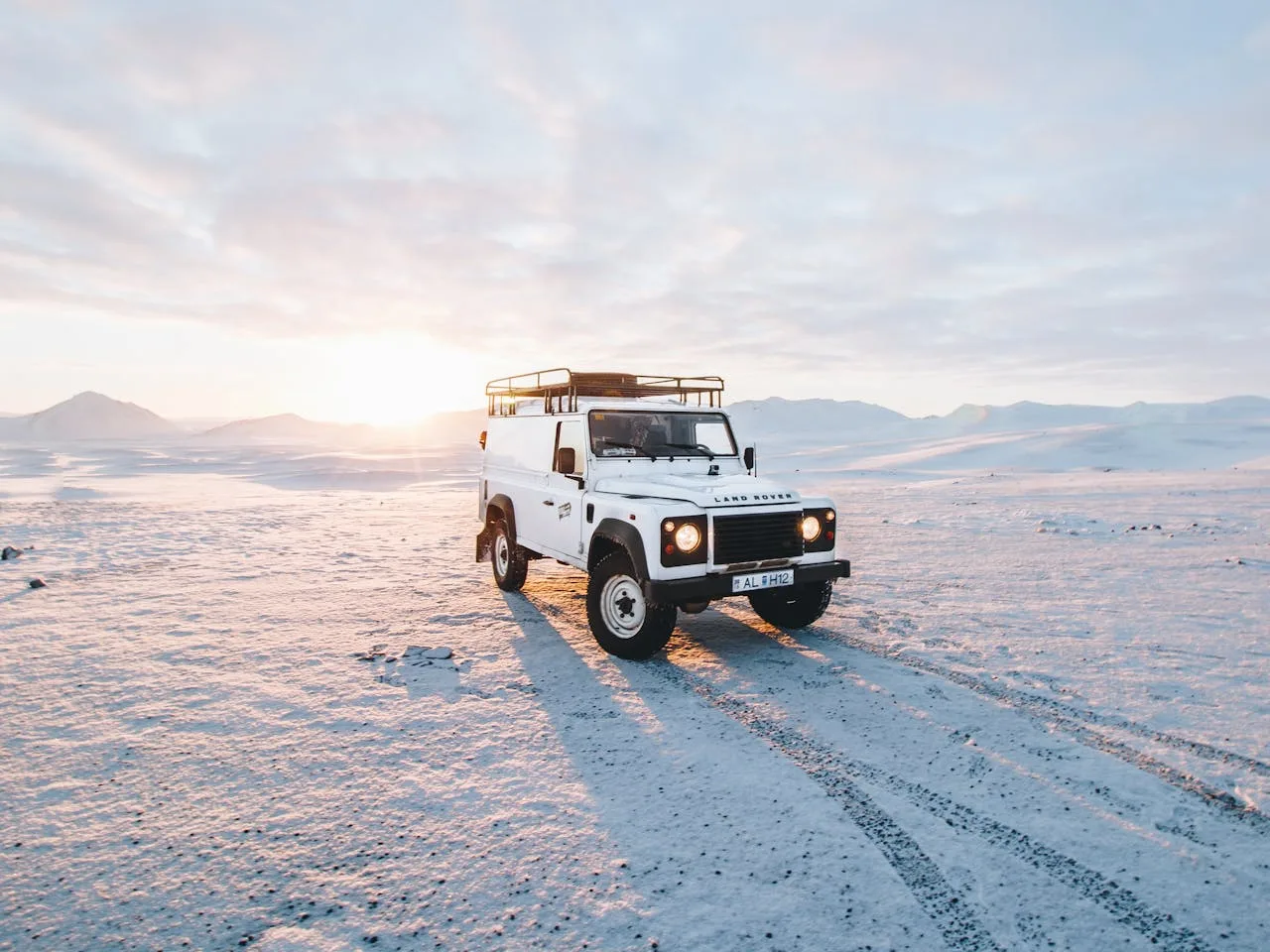
Spring brings optimal snowmobiling conditions when daylight returns, but snow remains abundant. These machines access locations otherwise unreachable, crossing frozen fjords and climbing mountain passes with remarkable efficiency. Guided tours emphasise safety while revealing landscapes few humans ever witness.
Northern Lights and Midnight Sun
Few places demonstrate such extreme natural lighting phenomena as Svalbard. During the Polar Night between November and February, darkness prevails continuously, creating ideal conditions for aurora viewing. Northern Lights sweep across skies far from light pollution, their green, purple, and sometimes red bands reflecting off snow-covered terrain.
The opposite extreme arrives during the Midnight Sun season when the sun never sets from April through August. This perpetual daylight creates surreal opportunities to hike at "night," photograph wildlife at 3 AM, or dine outdoors regardless of the hour. The continuous light accelerates brief summer growing seasons for hardy plants and extends exploration windows tremendously.
Ice Cave Tours
Guided glacier explorations reveal hidden worlds beneath massive ice sheets where compressed snow forms crystalline blue passageways. These caves change constantly, ensuring unique experiences even when visiting the same general location. The otherworldly blue light filtering through ice walls challenges cameras but burns into memory, creating lasting impressions unlike any surface-level adventure.
Fjord Cruises
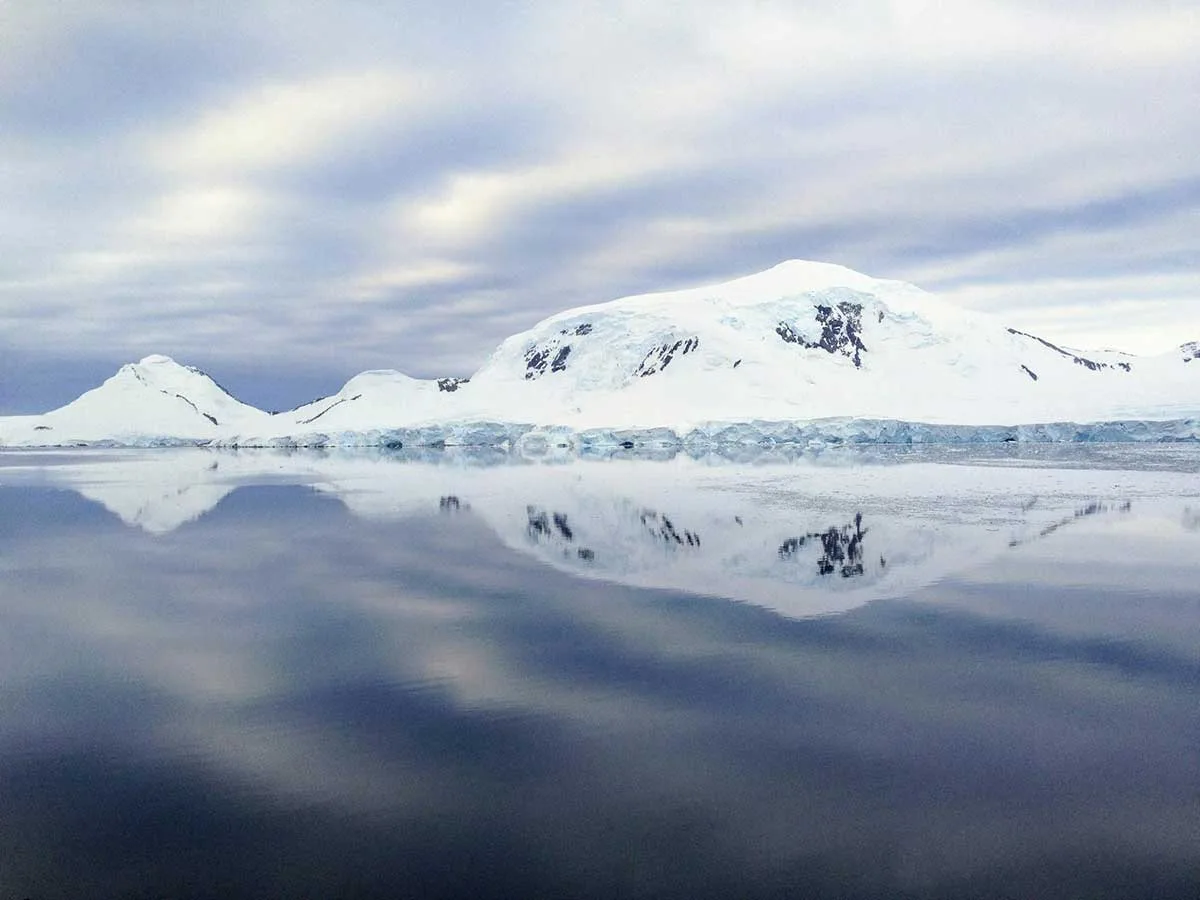
Summer boat tours navigate dramatic fjords that cut deep into Svalbard's mountainous interior. Isfjorden near Longyearbyen offers accessible day excursions past abandoned mining operations and bird cliffs where thousands of seabirds nest during the breeding season. More ambitious multi-day voyages explore Kongsfjorden, where massive glaciers calve icebergs with thunderous cracks that echo across the water. Given favourable ice conditions, some expeditions might even circumnavigate the archipelago entirely.
Arctic Wilderness Hiking
Trekking across tundra landscapes presents unique rewards alongside necessary precautions. Platåfjellet provides relatively accessible hiking from Longyearbyen, delivering panoramic views of the settlement against mountain backdrops. Advent Valley stretches inland with opportunities to spot native wildlife and discover fossils eroding from ancient seabeds now raised hundreds of meters above current sea level.
Safety protocols differentiate Svalbard hiking from experiences elsewhere. Guides carry rifles as polar bear precautions—never for hunting, but as emergency protection. Groups learn bear safety measures, including proper travel formation, alert systems, and appropriate reactions should encounters occur. These measures allow the safe enjoyment of genuinely wild places.
Arctic Cuisine
Svalbard's isolated position has fostered culinary traditions that blend Norwegian foundations with international influences and local ingredients. Restaurants serve Svalbard reindeer, notably leaner than mainland varieties, with distinctive flavours reflecting the harsh environment. Arctic char appears frequently on menus, rivalling salmon in popularity and culinary applications.
Fruene Café combines coffee culture with chocolate craftsmanship, producing signature polar bear-shaped confections that serve as edible souvenirs. Kroa Restaurant embodies Arctic hospitality through hearty portions served in rustic surroundings that echo Svalbard's mining heritage. Several establishments maintain impressive wine selections despite enormous logistical challenges, adding unexpected sophistication to remote dining experiences.
Optimal Visiting Times
The Svalbard experience transforms dramatically across seasons:
- Winter (Nov–Feb): Optimal for Northern Lights and Polar Night
- Spring (Mar-May): Ideal for snowmobiling and ice cave exploration
- Summer (Jun–Aug): Best for boat trips, wildlife observation, and Midnight Sun
- Autumn (Sep-Oct): Quieter period combining mild temperatures with early aurora opportunities
The timing choice depends entirely on desired experiences, as each season delivers completely different Arctic adventures. Through all seasons, Svalbard remains among Earth's true wilderness frontiers—accessible yet untamed, challenging yet rewarding for those who approach with respect for its unique character and extraordinary beauty.