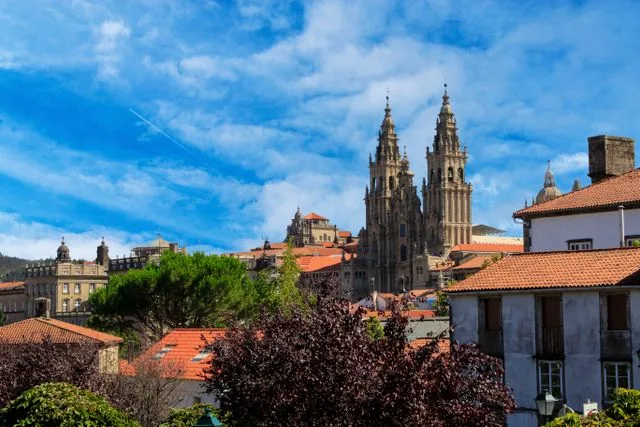
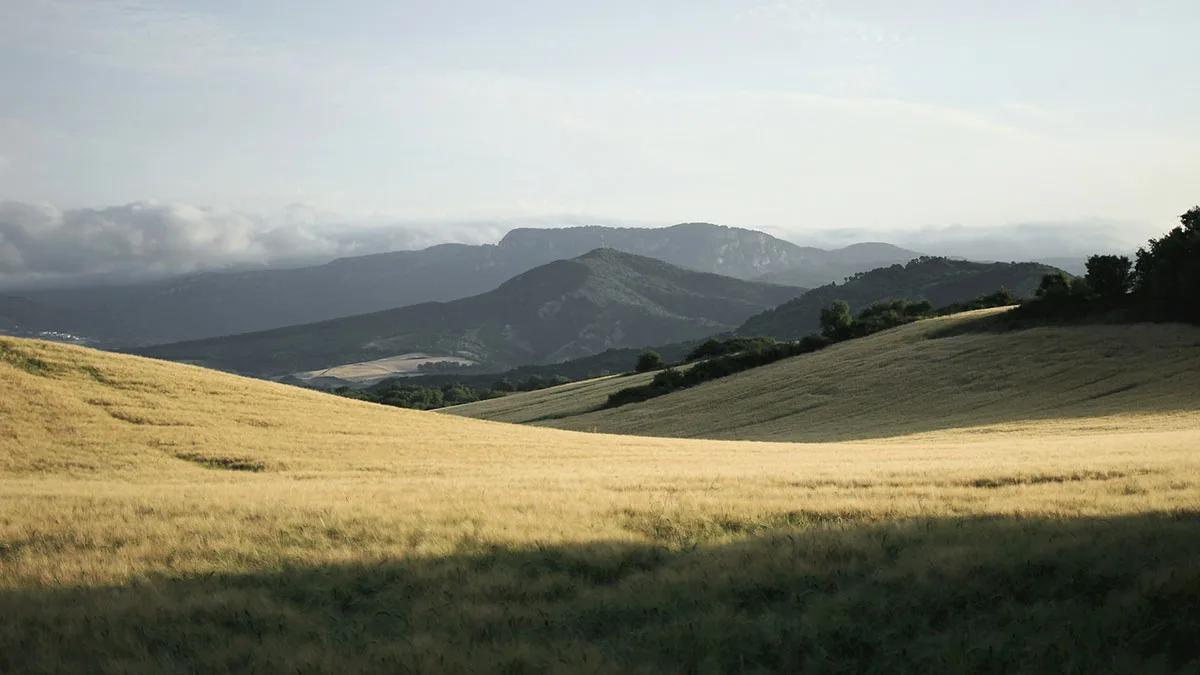
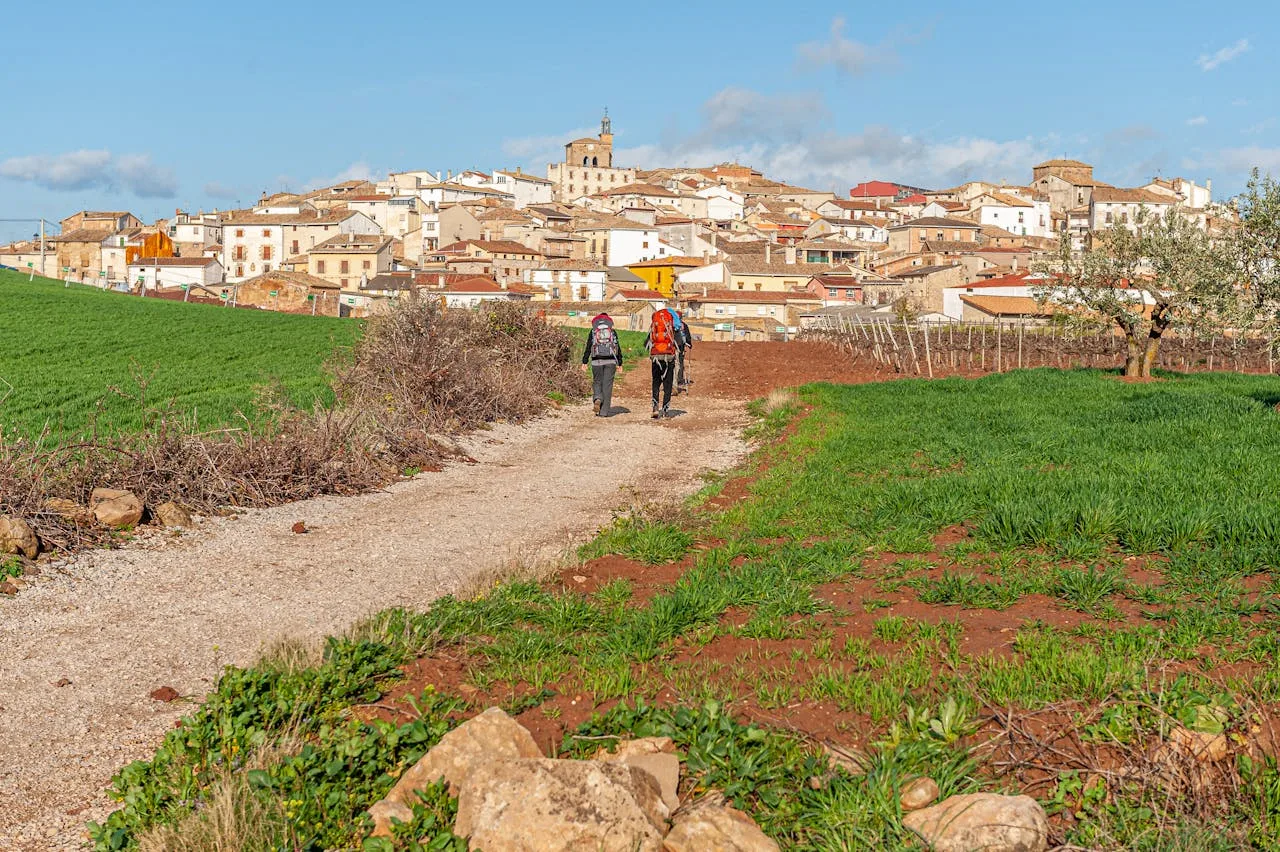
The Camino de Santiago is one of the world's most famous pilgrimage journeys, attracting hundreds of thousands of walkers each year. While many people refer to "the Camino" as though it were a single route, there are actually several paths leading to Santiago de Compostela, each offering its own unique landscapes, challenges and cultural experiences.
If you're considering walking the Camino, there are various things to think about; these include the amount of time you have to enjoy the hike, the difficulty level, your fitness level, and the cost (some routes are more affordable than others). For example, the
Camino de Santiago from Sarria, is considered a nice route for all, whereas some
Camino de Santiago routes are better for people with higher fitness levels or have more holiday time available to them.
Below, we look into three different Camino de Santiago routes which you should consider.
The Camino de Santiago from Sarria
If you're looking for the most accessible and rewarding introduction to the Camino de Santiago, the route from Sarria to Santiago de Compostela is often considered the ideal choice. As the most popular section of the entire Camino network, it offers everything that makes the pilgrimage so special, from beautiful scenery and historic villages to a welcoming community of fellow pilgrims.
Starting in the charming Galician town of Sarria, this route covers approximately 115 kilometres and can typically be completed in five to seven days, making it perfect for those with limited holiday time. It also meets the minimum distance required to receive the coveted Compostela certificate, awarded to pilgrims who complete at least 100 kilometres on foot before reaching Santiago.
Portuguese Way from Tui
The route from Tui to Santiago de Compostela is one of the most popular sections of the Camino Portugués and offers a fantastic blend of history, culture, gastronomy and natural beauty. Covering just over 115 kilometres, it is also long enough to qualify pilgrims for the Compostela certificate, making it an excellent choice for those looking to experience the Camino in a week or less.
The journey begins in the historic town of Tui, situated on the banks of the River Miño, which forms the natural border between Spain and Portugal. Dominated by its impressive medieval cathedral, Tui is a fascinating starting point and a place where pilgrims can experience the unique connection between the two countries.
The Portuguese Coastal Camino from Baiona
For pilgrims who want to combine the Camino experience with stunning coastal scenery, the Portuguese Coastal Camino from Baiona to Santiago de Compostela is an excellent choice. This route follows the final section of the Camino Portugués Coastal Route and offers a wonderful mix of seaside landscapes, Galician culture and historic towns.
The journey begins in the picturesque town of Baiona, one of the jewels of Galicia's Rías Baixas region. This charming fishing town is known for its beautiful waterfront, fresh seafood and rich maritime history. Before setting off, pilgrims can explore the impressive Monterreal Fortress, stroll along the palm-lined promenade and sample some of the area's renowned white wines and locally caught seafood.
Is this your first Camino de Santiago? What are the biggest questions that you are looking for answers to when it comes to the Camino de Santiago? Is there a route that we haven’t included that you think would be a good one for our readers to consider? Let us know in the comment box below. We look forward to hearing from you.