Most travel memories fade fast. Specific details drop off within weeks unless something anchors them in place. A sunset blurs into another sunset. A meal blurs into another meal. If you want a trip to stay sharp in your head years later, you need habits that turn the experience into memory while it's happening, not months later when you're scrolling through your camera roll trying to remember a name.
Build Memory Anchors Into the Itinerary
Memory researchers call this "encoding." The brain files an experience away more permanently when it's tied to something distinct: a smell, a physical sensation, a piece of writing, an object you can hold. Plain sightseeing doesn't do this well. Standing in front of a monument for four minutes and taking a photo gives your brain very little to grab onto.
Build anchors instead. Book one hands-on activity per city. Take a cooking class. Learn five words of the local language and actually use them on someone. These small frictions force your brain to pay attention, and attention is what turns an experience into a memory instead of a blur.
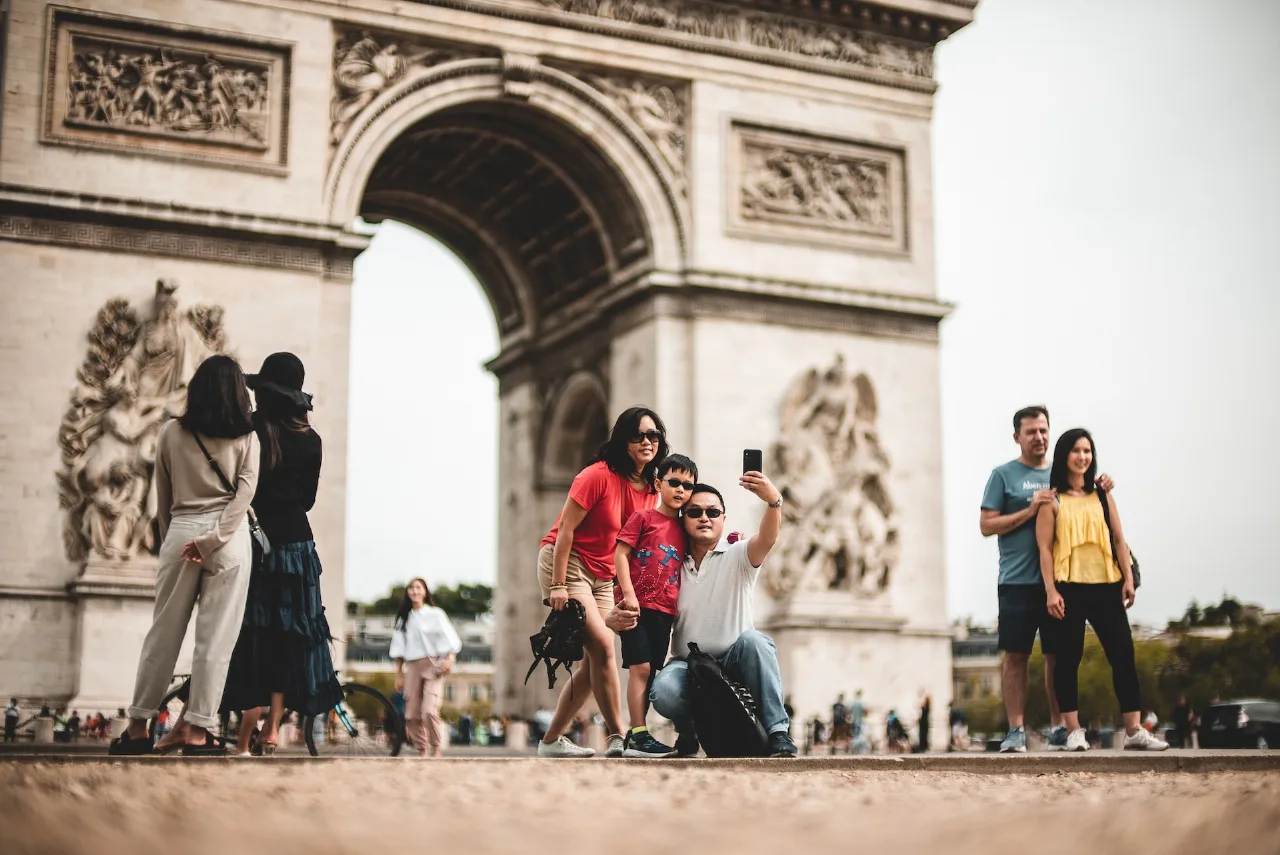
The data backs this up. A University of Texas at Austin study found that travellers who took photos and selfies during their trips were 40 percent more likely to remember their vacations clearly than travellers who didn't, according to reporting on the research. The same study found a limit, though: travellers who spent more than two hours a day on their phones were 26 percent less likely to recall trip details. Photos help. Screens don't, past a point.
Dress the Part, and You Will Remember the Trip Differently
Clothing works as a memory trigger too, and most people never use it. If you're cycling through the Loire Valley or riding coastal roads in Vietnam, wearing
custom cycling apparel made for that specific trip gives you a physical object permanently tied to the experience. You'll wear it again long after you're home, and every time you do, it pulls the memory back with it. It's the same principle as a souvenir, except it's gear you'll actually use instead of a shot glass sitting in a drawer.
This works for any trip built around a physical activity, not just cycling. Runners do it with race shirts. Climbers do it with chalk bags. The gear becomes a wearable timestamp.
Use All Your Senses, Not Just Your Eyes
Photos capture one sense: sight. That's a narrow slice of what actually happened. Smell and sound are stronger memory triggers than most people realise, and they're almost never captured on a trip.
A few ways to fix that, and none of them take more than a minute:
- Record ten seconds of ambient sound in markets, train stations, or festivals.
- Buy something you can smell later, like coffee, spices, or a specific soap.
- Keep a small physical object from each stop: a ticket stub, a rock, a coin.
These cost nothing and take seconds, but they give your brain sensory data that a photo alone can't provide.
Journal in Real Time
Writing during the trip, even three sentences a day, does more for memory retention than writing after you get home. Retrospective journaling compresses events and smooths out the texture. Same-day journaling keeps what actually happened: what annoyed you, what surprised you, what a stranger said. Keep the format low friction, a notes app or a voice memo works fine, since the timing matters more than the tool.
Turn the Trip Into Something Physical
None of this matters if the material sits untouched in a phone. Photos and notes need a physical home or they disappear into a folder you never open again.
This is where
photo books earn their keep. Building one forces you to revisit the trip, pick the images that actually matter, and put them in order, which is its own form of encoding. A finished book also sits somewhere visible, on a shelf or a coffee table, where you'll flip through it without planning to. That accidental exposure is what keeps a memory alive years later.
Do this within a month of getting home. The longer you wait, the more likely the sorting and captioning gets skipped entirely.
Talk to People Who Live There
Conversations with locals create memories that outlast almost everything else on a trip, because they're specific and social, two things the brain prioritises when deciding what to keep. A ten-minute conversation with a shop owner about why a street is named what it is will outlast a hundred landmark photos.
Ask questions with real answers, not small talk. What's changed here in the last ten years? What do locals do that tourists never find out about? These questions tend to generate stories, and stories are stickier than facts.
Revisit the Memory on Purpose
Memory strengthens with repetition. Every time you retrieve a memory on purpose, you reinforce the
neural pathway that stores it. This is why people who talk about a trip often, or who pull out the photo book every few months, remember it in more detail years later than people who took the same trip and never looked back.
Set a rough schedule for it. Pull out the photo book once a season. Wear the trip gear on a regular ride. Bring the story up at dinner instead of letting it sit unused. None of these habits takes more than a few minutes, but they're the difference between a trip you can describe in detail five years later and one you can barely place.