Holidays are meant to be relaxing, but getting a decent night’s sleep in an unfamiliar environment can be challenging. From jet lag to noisy hotels, there are numerous factors that can disrupt your sleep routine. Here are some top tips to ensure you wake up refreshed and ready to enjoy your holiday.
1. Choose Your Accommodation Wisely
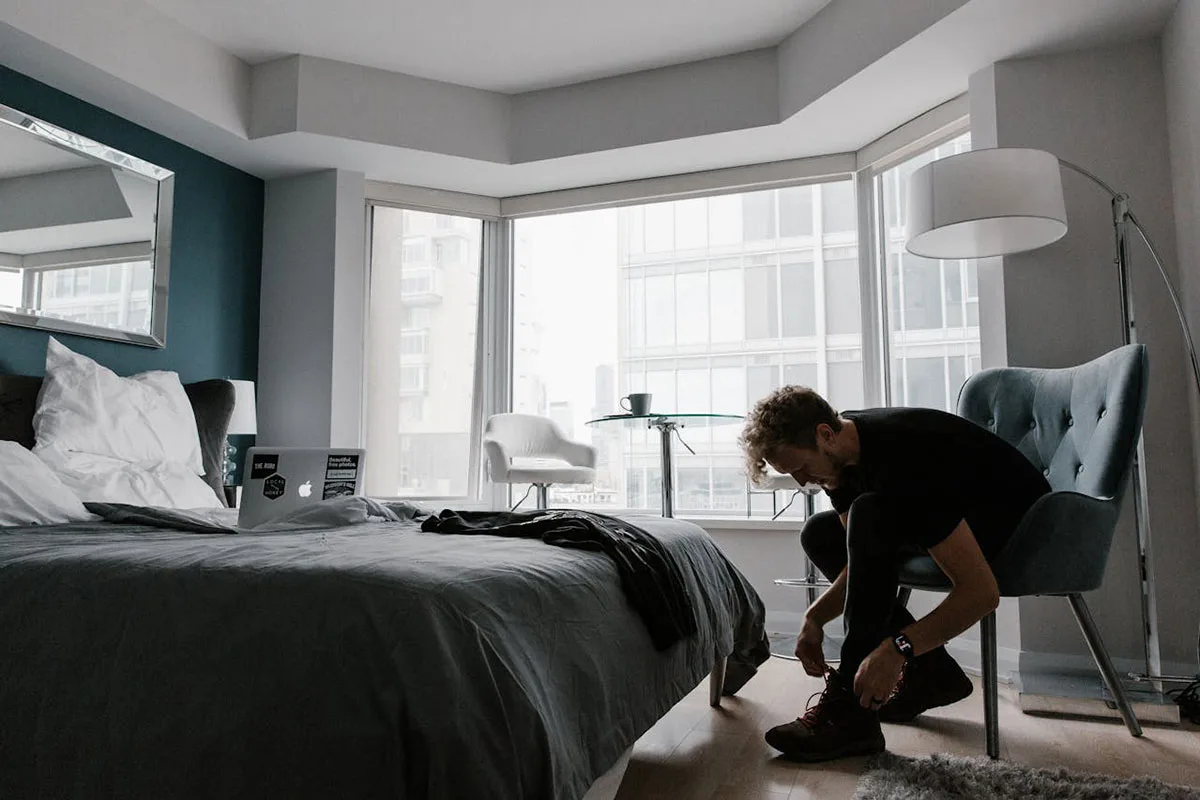
Your hotel room plays a crucial role in the quality of your sleep. When booking, check reviews for mentions of noise, uncomfortable beds, or disturbances from nearby nightlife. If possible, request a room away from lifts, stairwells, and busy roads to minimise noise disruptions.
2. Stick to a Sleep Routine
It’s tempting to throw all routines out the window when on holiday, but maintaining a consistent sleep schedule can help regulate your body clock. Try to go to bed and wake up at the same time each day, even if you’re in a different time zone.
3. Manage Jet Lag Effectively
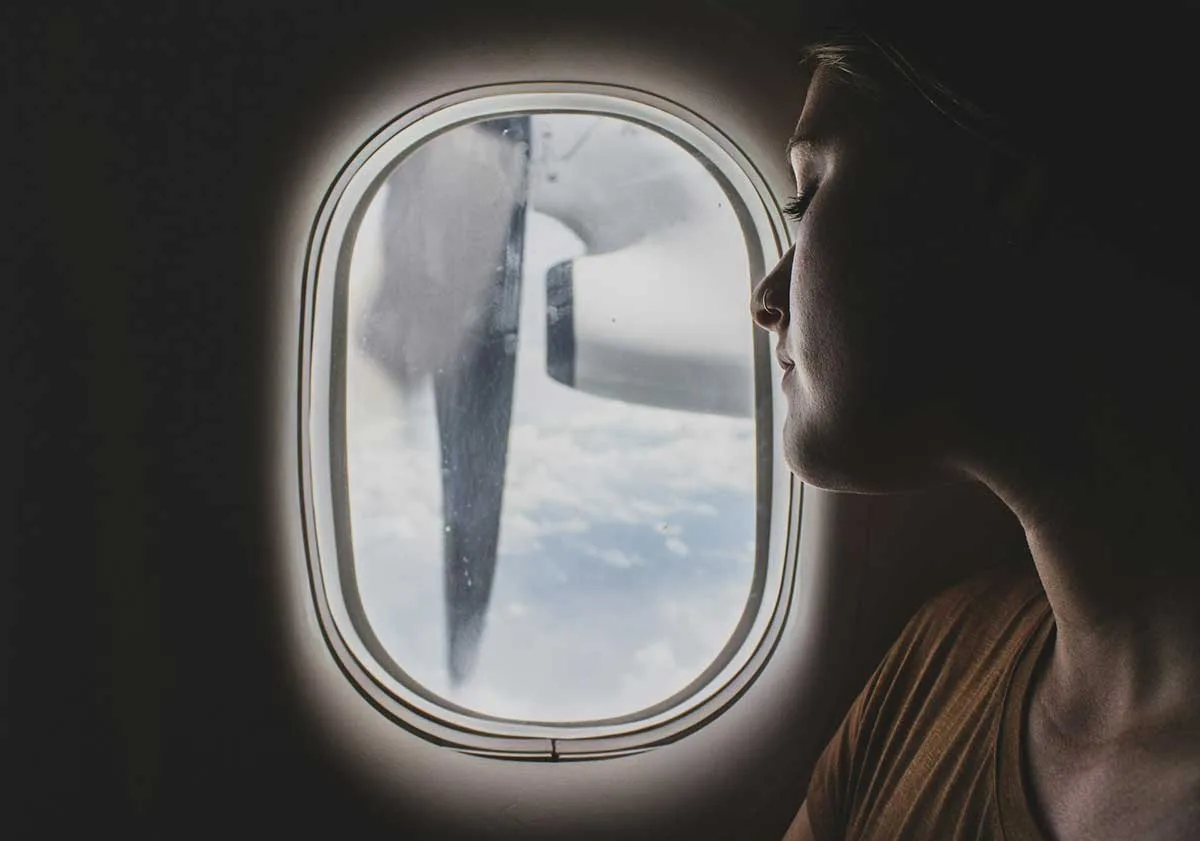
If you’re travelling across multiple time zones, jet lag can be a major issue. To combat it, gradually adjust your sleep pattern before you travel by shifting your bedtime an hour earlier or later, depending on your destination. Once you arrive, spend time in natural daylight and avoid long naps to help your body adjust.
4. Pack Essential Sleep Aids
Bringing familiar sleep aids can help recreate a comfortable environment. Consider packing a travel pillow, an eye mask, and earplugs to block out unfamiliar noises. A small travel-sized lavender spray can also help create a calming atmosphere in your room.
 5. Regulate Your Room Temperature
Many hotel rooms either blast the air conditioning too high or leave you sweltering in the heat. Ideally, keep your room at a comfortable temperature of around 18°C to 22°C. If your room is too warm, use a fan or request a lighter blanket. If it’s too cold, layering with extra blankets can help.
6. Watch What You Eat and Drink
Late-night indulgence in rich food and alcohol can significantly affect your sleep quality. Consuming caffeine late in the day or eating a heavy meal close to bedtime can lead to poor sleep. Instead, opt for a light snack if you’re hungry before bed and stay hydrated with water.
7. Reduce Screen Time Before Bed
Scrolling through your phone or watching TV right before bed can interfere with your sleep by suppressing melatonin production. Try winding down with a book or a relaxing playlist instead. If you must use your phone, switch to night mode to reduce blue light exposure.
8. Block Out Noise and Light
Unfamiliar noises from street traffic, loud neighbours, or the hotel corridor can make it difficult to fall asleep. Use noise-cancelling headphones or white noise apps to drown out disturbances. Additionally, blackout curtains or an eye mask can help block out unwanted light.
9. Get Plenty of Natural Light During the Day
Exposure to daylight helps regulate your body’s circadian rhythm, making it easier to sleep at night. Try to spend time outside during the day, whether it’s lounging by the pool, sightseeing, or enjoying a morning walk.
10. Wind Down with a Relaxation Routine
Just like at home, having a bedtime routine can signal to your body that it’s time to sleep. Consider taking a warm shower, practising deep breathing, or doing some gentle stretches before bed to promote relaxation.
11. Adjust to Local Time as Soon as Possible
As soon as you arrive, adjust your watch and daily activities to match the local time. Avoid taking long naps during the day and resist the urge to sleep at odd hours, as this can prolong jet lag.
12. Bring Your Own Pillowcase or Blanket
If you struggle to sleep in unfamiliar beds, bringing a small piece of home with you can make a difference. A familiar pillowcase or lightweight blanket can provide comfort and help you drift off more easily.
13. Consider Your Mattress Comfort
Many hotels have firm mattresses that may not suit your preference. If you frequently struggle with uncomfortable beds, you might want to look at
mattresses for sale that suit your sleep needs and invest in a travel-friendly mattress topper to improve comfort during your stay.
14. Exercise, But Not Too Late
Regular exercise can improve sleep quality, but avoid intense workouts too close to bedtime, as they can leave you feeling energised rather than sleepy. A relaxing evening walk is a great way to wind down before bed.
15. Stay Hydrated But Avoid Too Much Liquid at Night
Dehydration can lead to discomfort and restlessness, so ensure you drink plenty of water throughout the day. However, try to limit fluids right before bed to avoid frequent bathroom trips during the night.
16. Know When to Take Sleep Supplements
If you frequently struggle with sleep while travelling, consider using natural sleep aids like melatonin or herbal teas. Melatonin can help regulate your sleep cycle when dealing with jet lag, but consult a doctor before use.
Final Thoughts
Getting a good night’s sleep on holiday doesn’t have to be a challenge. By planning ahead, maintaining good sleep habits, and creating a comfortable sleep environment, you can maximise relaxation and make the most of your trip. Follow these tips, and you’ll wake up feeling well-rested and ready for adventure!