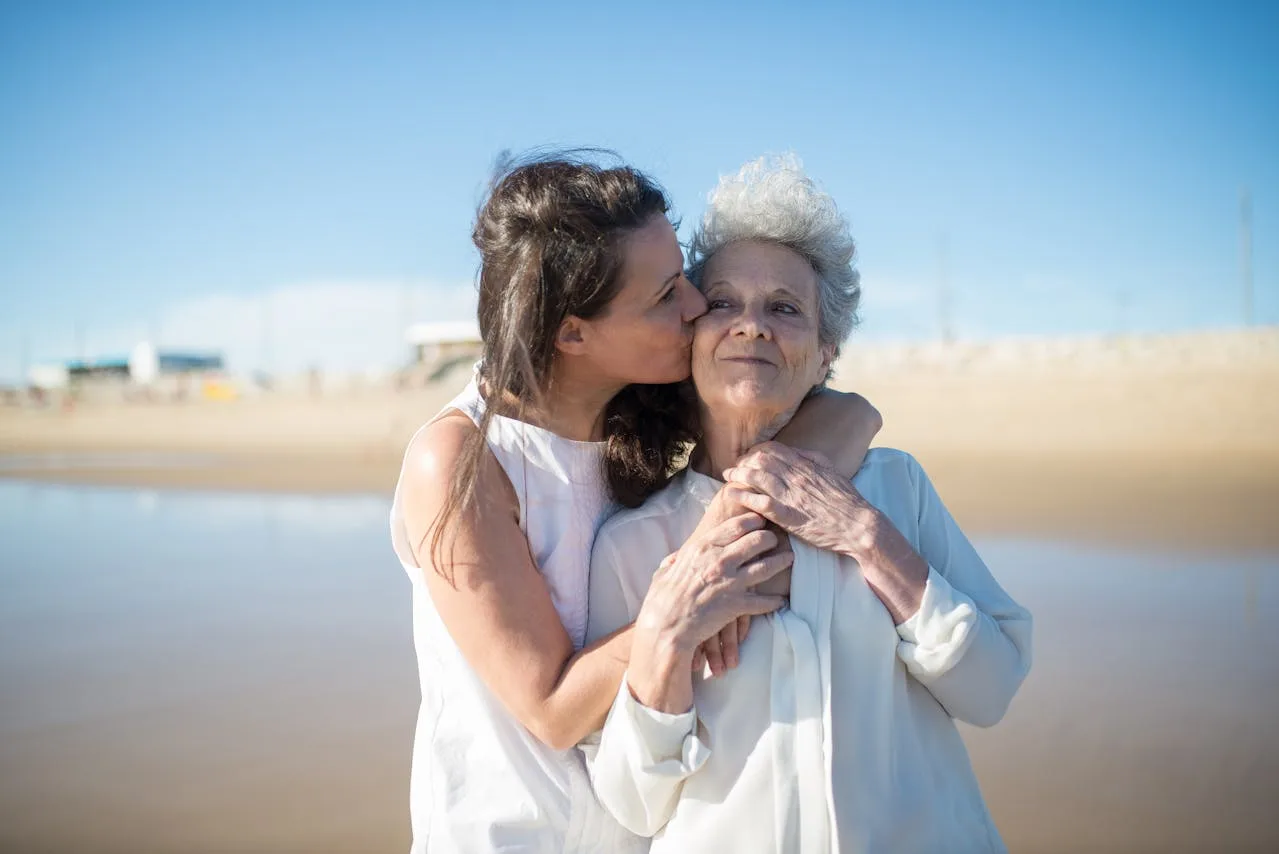
Travelling with loved ones creates cherished memories, strengthens family bonds, and offers wonderful opportunities for discoveries. When those journeys include older relatives, the experience can be even more profound. However, ensuring their comfort, safety, and overall well-being requires a thoughtful approach and a touch of extra planning. By prioritising their specific needs and challenges, you can turn potential worries into a truly stress-free, enjoyable adventure for every generation.
This guide provides practical, empathetic tips to help you navigate the nuances of travelling with senior family members, ensuring a smooth, delightful, and memorable trip for everyone involved.
1. Pre-Trip Planning: The Foundation for a Joyful Journey
A successful trip with elderly relatives begins long before suitcases are packed. Proactive planning is key to anticipating potential bumps in the road and tailoring the experience to each individual's needs and comfort levels.
- Medical Preparedness for Peace of Mind: This is often the most vital step. Schedule a pre-trip check-up with their physician or their regular nurse practitioner to discuss the itinerary. Obtain any necessary vaccinations and ensure all prescriptions are refilled and clearly labelled. Request a medical summary detailing their health conditions, current medications, allergies, and emergency contact information. Always keep a copy of their medical insurance card and relevant history close at hand.
- Destination Selection & Accessibility: Choose a destination that genuinely caters to your senior relative's physical capabilities and interests. Consider factors like climate (avoiding extreme heat or cold), terrain, and the availability of accessible transportation and accommodation. Research destinations with reputable medical facilities nearby, just in case. The goal is a place where everyone can move freely and comfortably.
- Comfort-Focused Accommodation: Select lodging with accessibility features that will enhance their stay. Look for ramps, elevators, walk-in showers, and grab bars. Request rooms on lower floors to minimise stair use. Verify amenities like comfortable seating areas.
- Comprehensive Travel Insurance: This is an indispensable investment. Opt for comprehensive travel insurance that covers medical emergencies (including pre-existing conditions), trip cancellations, lost luggage, and, if necessary, medical evacuation.
- Open & Collaborative Communication: Involve your elderly relative in the planning process from the very start. Discuss the itinerary, potential activities, and listen carefully to their preferences and any concerns they might have. This collaborative approach fosters a sense of ownership, reduces anxiety, and ensures the trip genuinely reflects their desires for enjoyment.
2. Transportation & Logistics: Making the Journey Part of the Adventure
The journey itself, whether by air, road, or rail, can be tiring for seniors. Thoughtful attention to transportation and logistics can transform it into a more comfortable and pleasant experience.
- Choose Comfortable Transportation: Select modes of travel that minimise stress and physical discomfort. For longer distances, flying often proves less strenuous than driving. When flying, request wheelchair assistance at the airport and utilise pre-boarding to allow ample time to settle in and deplane without rush. Consider direct flights to minimise transitions.
- Smart Packing for Comfort & Familiarity: Encourage packing light with rolling suitcases and comfortable backpacks. Include essential items like medications, comfortable, supportive shoes, and any necessary assistive devices. Packing a favourite lightweight blanket, pillow, or even a familiar book can provide a sense of comfort and home in new surroundings.
- Hydration & Nutrition on the Go: Encourage consistent hydration throughout the journey and provide easy-to-digest, nutritious snacks. Avoid excessively salty or sugary foods that can exacerbate health issues. Packing their favourite familiar snacks and drinks can provide comfort and maintain energy levels.
3. On-Location Considerations
Just like a
well-stocked nursing home will benefit elders, maintaining focus on your senior relative's comfort, safety, and well-being will ensure a truly relaxing and enjoyable stay.
- The Art of Gentle Pacing: Resist the urge to over-schedule. Prioritise quality over quantity, allowing ample time for rest, relaxation, and spontaneous moments. Tailor the itinerary to their current physical capabilities and energy levels, ensuring activities are enjoyable rather than exhausting.
- Embrace Flexibility: Be prepared to adjust your plans on a whim based on your senior relative's needs, mood, or unexpected changes. A flexible mindset is fundamental to ensuring a positive and truly stress-free experience for everyone. Some of the best memories are made when you deviate from the original plan!
- Attentive Health Monitoring: Throughout the trip, pay close attention to your senior relative's physical and mental health. Be alert for any signs of fatigue, discomfort, changes in behaviour, or unusual symptoms. Don't hesitate to seek medical attention promptly if any concerns arise.
Creating Meaningful & Lasting Memories
Beyond the practicalities, the heart of travelling with older relatives lies in creating rich, meaningful experiences. Capture these precious moments with photos and videos, creating a beautiful collection of shared memories that will be treasured for years to come.
By thoughtfully focusing on comfort, promoting well-being, and fostering a deep sense of connection, your journey with older relatives won't just be stress-free; it will be a joyful celebration of family, adventure, and the wonderful memories you make together.