Flight delays are a common reality in air travel, affecting millions of passengers each year. Next to
flight delay compensation more and more attention is given to the mental side of it. While often perceived as mere inconveniences, the psychological toll of delayed flights can be profound and extend far beyond the immediate frustration of waiting.
Uncertainty and Anxiety
One of the most significant impacts of a delayed flight is the uncertainty it introduces. Passengers are left uncertain about departure times, duration of delays, and the eventual arrival at their destination. This uncertainty can trigger heightened anxiety, particularly for travellers with tight schedules or important commitments awaiting them. The inability to plan or make alternative arrangements can exacerbate feelings of unease and distress.
Frustration and Anger
As delays persist, frustration and anger among passengers can escalate. The sense of powerlessness and lack of control over the situation often lead to heightened emotions. Poor communication from airline staff, insufficient information about the reasons for the delay, or repeated changes to the estimated departure time can intensify feelings of frustration and exacerbate anger among travellers.
Stress and Physical Discomfort
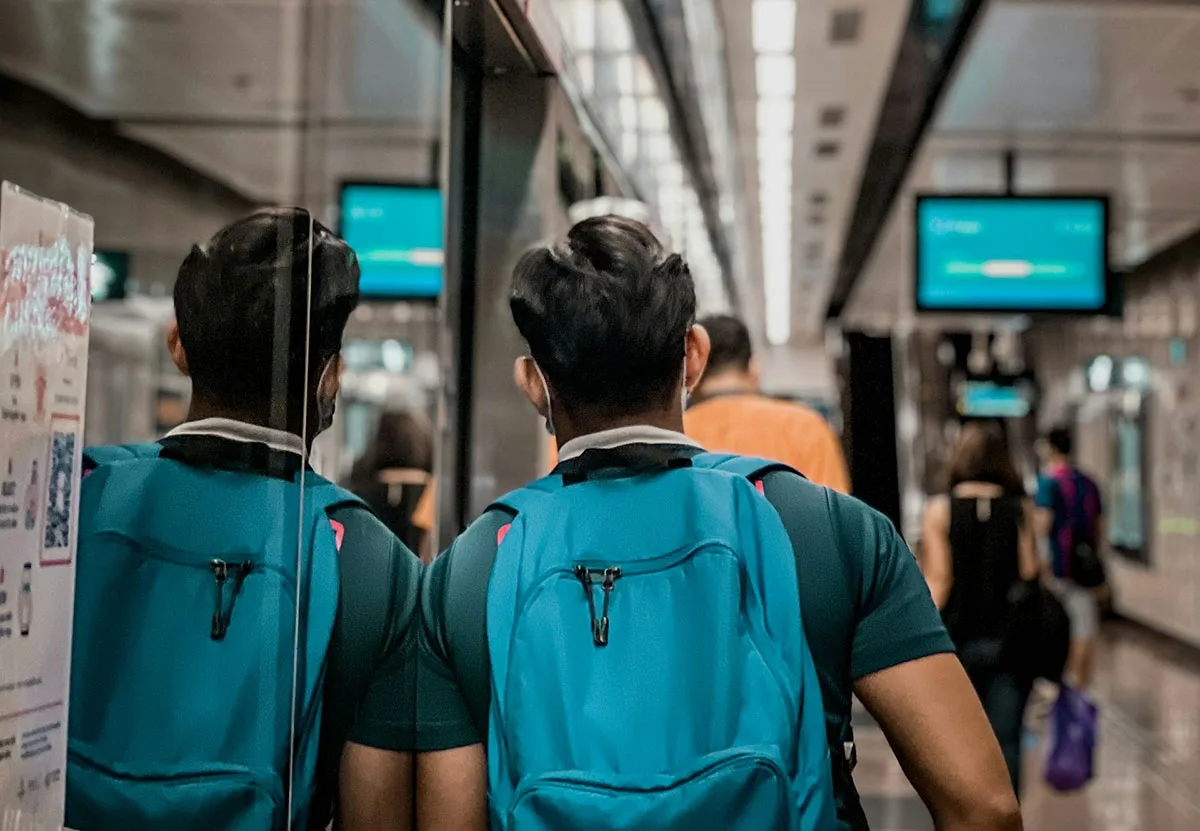
Extended waits in crowded airport terminals contribute significantly to physical discomfort and stress. The combination of cramped seating, noise, and limited amenities can exacerbate feelings of unease and stress. Overnight delays further compound physical strain, as passengers struggle to find adequate rest or sleep in uncomfortable surroundings.
Coping Strategies and Support
Acknowledging and addressing the psychological impact of flight delays is crucial for both passengers and airlines. Passengers can benefit from implementing effective coping strategies, such as maintaining open communication with airline staff, staying informed about updates, and preparing mentally for potential delays before travelling. Airlines play a vital role by providing clear and timely information, offering support services, and ensuring that passengers' needs are met during disruptions.
Understanding the mental toll of flight delays goes beyond the inconvenience of waiting. It involves recognising the emotional and psychological strain that passengers experience during prolonged delays. easyJet is an airline with a lot of delays. They also recognise the problem.
EasyJet compensation is given to people with delayed, cancelled or overbooked flights. By acknowledging these effects and implementing effective coping strategies, both passengers and airlines can work towards minimising the negative impact of flight disruptions. Improved support and communication can lead to better experiences for travellers and enhance overall satisfaction with air travel, even in the face of unforeseen delays.