There is a long list of reasons to get a private pilot license from the point of view of an aviation enthusiast. It means more than just piloting an aircraft; it marks a milestone and a key to the skies. But knowing what such a license can and cannot cover is essential. This article reviews what your private pilot license allows you to do and what it doesn't.
Exploring the Privileges
A
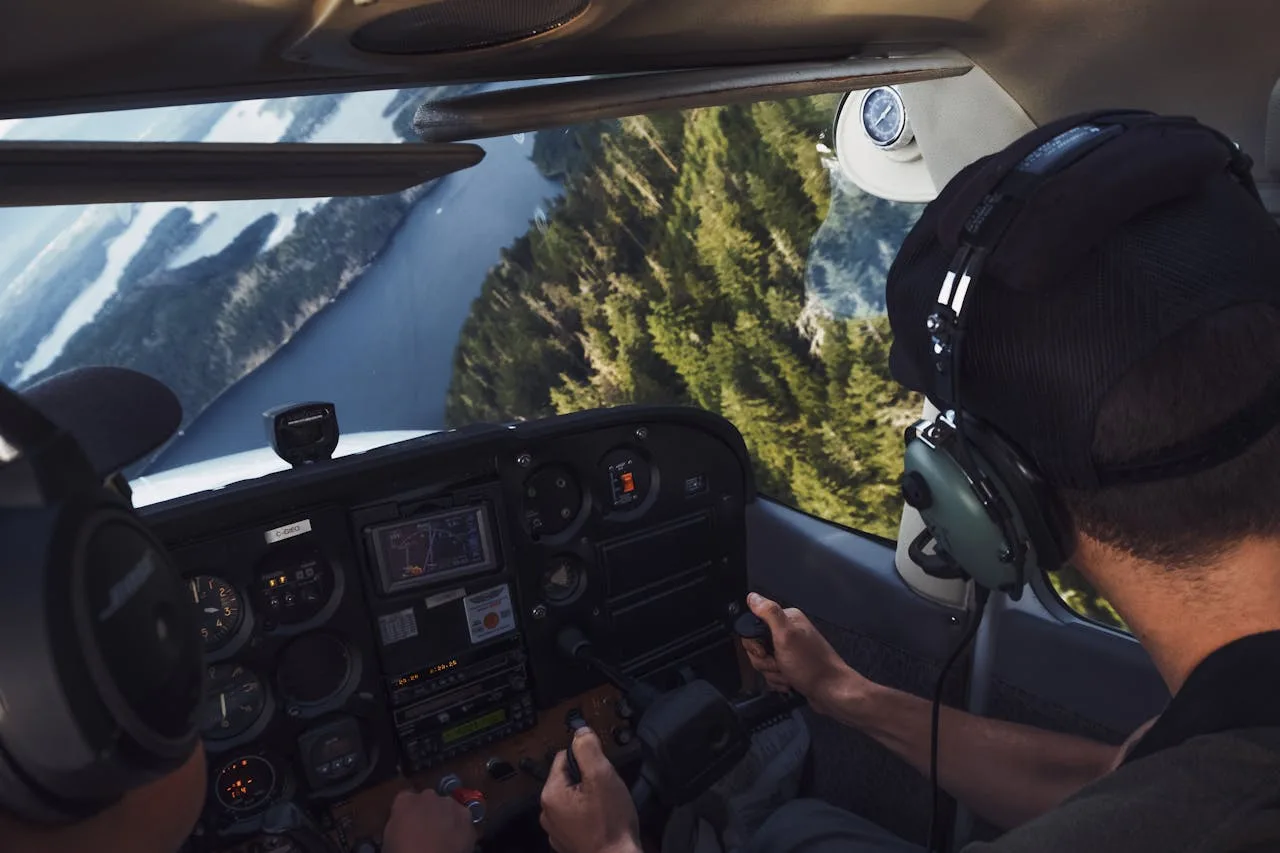
private pilot license allows a person to fly an airplane for personal enjoyment and not in the service of others. They can take journeys into the wild, learning about new places from a whole new perspective. Another license provides a unique glimpse of the world below with the transport of family, friends, or colleagues.
The most important aspect is that it enables pilots to enjoy aviation among other people on the planet, providing memories of a lifetime every time they fly with passengers. For others, flying becomes more of a lifestyle and an avenue for adventure and freedom. Pilots navigate the skies, visit new terrains, and experience the thrill of every flight.
Flight Planning Flexibility
Owning a private pilot license gives you flexibility in planning your daily flights. Pilots can now determine their departure times, where they fly to, and how they fly. They are made with consideration for the weather, airspace restrictions, and personal preferences. With this freedom, it is possible to spend spontaneous weekends away, travel to more remote locations, or just luxuriate in all the peace that comes from being able to fly at a more relaxed pace.
Holding such a license, pilots can fly during the confines of day and visual meteorological conditions. They can enjoy the sky, the views, and nature from on high. Flying an aircraft normally involves careful planning based on the weather conditions and planned airspace usage; however, that is irrelevant for this flight.
Involvement in Aviation Communities
Even more importantly, a private pilot license opens a door into a whole new world full of opportunities, with a lot of potential somewhere in the beautiful sky and with so many people, including aviators, associated with it. There are aviation clubs, airshows, and other events that pilots may attend. These communities build camaraderie amongst members, allowing individuals to network with other aviation fanatics and share experiences.
Learning from other aviation groups can increase skill and insight. A platform for pilots to learn from experienced aviators, exchange tips, and stay updated on industry news. Being part of a community and feeling connected to the childhood dream of flying like the birds only enriches the experience, taking it to another level of satisfaction and richness.
Understanding the Limitations
However, a private pilot license has many limitations. Further certifications and ratings are needed if you intend to conduct commercial activities like providing air tours or transporting property for compensation. Additionally, specific regulations govern how pilots should operate flights. So, they cannot fly above a certain altitude or in certain classes of airspace without more training and endorsements. These limitations are important for staying within aviation limits and keeping your flight safe.
Navigating Through Airspace
Controlled airspace has its rules — you need to talk to air traffic control. Navigating through a variety of airspace classes makes this process complex for pilots. Such knowledge leads to minimising risk and the safest and most productive way to fly.
Beyond that, however, pilots should stay aware of airspace rules, such as
temporary flight restrictions (TFR) and no-fly zones. Knowing about these helps avoid inadvertent violations and maintains the flight's integrity.
Lifelong Learning and upskilling
A private pilot license is just the first step into your life in aviation. The need for ongoing education and training for proficiency and safety is as persistent as ever. Following this initial training, pilots can then seek additional ratings (instrument or commercial ratings, for example) and other endorsements to increase their proficiency.
Using flight time to practice and attending seminars and training programmes helps improve one skill. Familiarity with changes in aviation technology and regulations guarantees that a pilot will be informed and competent.
Conclusion
A PP license also comes with an exception- this time, there is freedom of sorts and adventure, but this is not without accountability. It makes a lot of opportunities available to you, but knowing its borderline is also very important. While the high of flying an airplane is certainly an attractive incentive for a pilot, it is only part of the story; one must not forget the discipline, safety, and others surrounding it. By understanding the privileges and limitations, pilots can navigate their aviation journeys zealously and confidently.