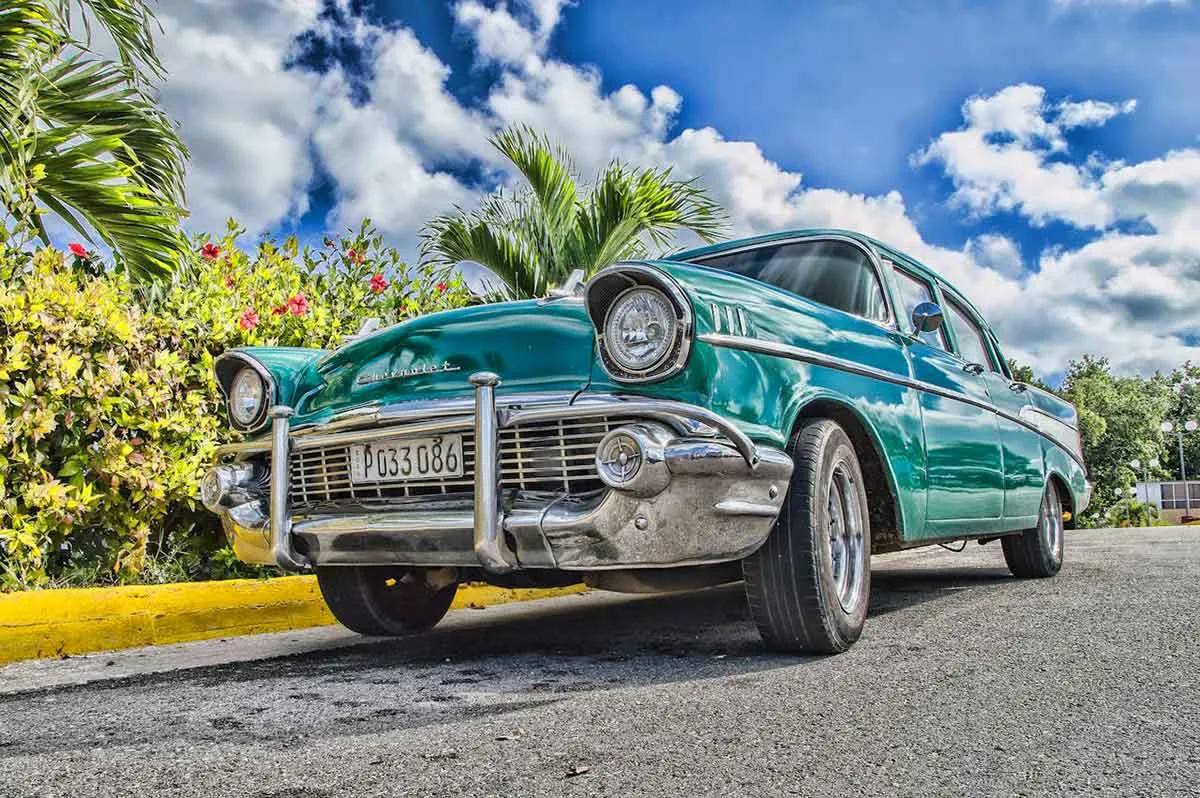
There's nothing like cruising down the highway in a classic car.
The engine rumbling below you. The chrome shining in the sun. Knowing every mile you drive is an experience… not just a commute.
But cruising in a classic car isn't like hopping in your daily driver and driving across the country.
Older vehicles require more prep work. More attention on the road. And a solid game plan BEFORE you even leave home.
Without that due diligence, your dream vacation could turn into a nightmare.
Here's what's covered:
- Why Classic Cars Need Special Road Trip Prep
- Pre-Trip Maintenance To Avoid Breakdowns
- The Gear Every Classic Car Needs For The Road
- Planning Routes For Classic Cars
- Fuel and Cooling Tips
- What To Do When Things Break Down
Why Classic Cars Need Special Road Trip Prep
Let's get one thing straight…
Classic cars were built a LONG time ago.
They don't have the safety features. Or the fuel systems. Or the reliability of modern cars.
That means preparing for a road trip has to be taken seriously.
Consider the 1967-1969 Ford Mustang.
It's one of the most iconic cars ever made. From Shelby GT500s to Boss 429s, these Mustangs are highly desired collector cars. So desired that there are companies built around making
reproductions of classic cars that drive and act like a brand new 1967-1969 Ford Mustang.
Yes, REALLY that high of demand.
Whether you're driving an original full restoration or a restomod. Taking your Mustang on a road trip requires forethought and planning.
Here's why:
Classic cars and older vehicles are much more likely to break down than newer vehicles. According to AAA roadside data, vehicles that are more than 10 years old are TWICE as likely to break down as newer vehicles. Need a tow? That likelihood increases FOUR TIMES.
Now imagine that risk on a vehicle that's over 50 years old.
But here's the good news:
Most vehicle breakdowns are preventable with the proper prep work.
Pre-Trip Maintenance To Avoid Breakdowns
Long story short. Any classic car going on a road trip should go through a FULL mechanical inspection before departure.
At a minimum, those inspections should include:
- Battery and charging system
- Cooling system (radiator, hoses, thermostat, water pump)
- Brakes (pads, rotors, lines and fluid)
- Belts and hoses
- Tyres (Including the spare!)
Battery problems are the number one cause of vehicle breakdowns at about 30%. Classic cars typically have older electrical systems that put added strain on the battery. Ensure the battery is fully functional BEFORE departure.
While you're at it, don't neglect the small things.
Replace windshield wipers, ensure all exterior lights work along with the horn and ALL mirrors. These small fixes can be done before your trip that could create hassles on the road if not done.
The Gear Every Classic Car Traveller Needs
Remember how modern cars have roadside assist technology?
Classic cars do NOT.
That being the case, the right gear needs to come along for the ride. ALWAYS.
Every car needs an emergency kit. But for classic cars, these additions to the kit are highly recommended:
- Jumper cables or a portable battery booster
- Full-size spare tyre AND jack
- Basic tool kit (wrenches, screwdrivers, pliers, socket set)
- Spare belts AND hoses that match your vehicle
- Extra coolant, oil AND brake fluid
- Flashlight and extra batteries
- First aid kit
Wait, there's one more thing…
Bring spare parts for your vehicle. Breakdown in a rural town and need a distributor cap and rotor for your 1967-1969 Ford Mustang? Good luck.
(Assuming you CAN find a distributor cap. Some places might not have them!)
Packaging ignition parts that are specific to your vehicle comes in handy. The same goes for things like sensors and other electronics.
Planning Routes For Classic Cars
If you thought route planning was only important for the driving portion of your trip. Think again.
This is another area that really sets classic car trips apart from normal road trips.
Most classic cars don't drive comfortably at highway speeds. Nor were they built to sit in traffic all day.
Instead, do this…
Avoid freeways when possible and use scenic back roads and two-lane highways. Plan your trip with stops every 100-150 miles to allow the engine to cool off. Research mechanic shops and classic car shops that can service your vehicle all along your route.
Enjoy the drive. Part of what makes classic car road trips so much fun is the drive itself. Plan for shorter driving days with more stops. It will be better for your vehicle and your sanity.
Oh, and let someone at home know your route.
Things can happen in remote areas where cell phone service is iffy. Having someone who knows where you're supposed to be adds a level of safety.
Fuel and Cooling System Tips
Speaking of things that go wrong on road trips. Two of the most common causes of classic car troubles are fuel issues and overheating.
And thankfully, both are 100% preventable!
Most classic cars were made to run on leaded fuel. You can't find that at the pump anymore. But using the wrong fuel or low-octane fuel can damage your engine by causing it to knock. Using a lead substitute additive or running your vehicle on premium fuel is typically your best bet.
Overheating is another common culprit. According to research on U.S. breakdowns, cooling failures account for 11% of all breakdowns. Overheating in classic cars is very common, especially during the summer months.
Here's how to prevent it:
- Flush your cooling system before your trip and refill with fresh coolant
- Replace any aged hoses or clamps
- Upgrade to an aluminium radiator. Aluminium radiators dissipate heat FAR better than traditional radiators
- ALWAYS keep extra coolant in the trunk
What To Do If Something DOES Go Wrong
Even with taking all the correct preparations, things can still happen.
Remember that old adage about Murphy's law?
Things will ALWAYS go wrong on a long car trip.
If a breakdown does happen on the trip, safety is priority one.
Pull over to a safe location. Turn on your hazards and get OUT of traffic.
Don't be afraid to call roadside assistance. AAA and Hagerty both offer memberships that are specially tailored towards collector cars.
It doesn't hurt to have a list of classic car mechanics saved on your phone too. Some towing companies may not know how to handle a vintage 1967-1969 Ford Mustang that has a front valance inches off the ground. Flatbed towing is ALWAYS the safest way to have a classic car towed.
Bringing It All Together
Cruising in a classic car is one of the most enjoyable
ways to travel by road.
The atmosphere. The sights. The ability to really connect with automotive history.
It's an experience that most people will never have with their daily driver.
But that doesn't mean classic cars are indestructible…
Or that preparing for road trips with them isn't important.
From properly maintaining
your vehicle before leaving, packing the right gear and planning your route.
It all matters.
Plan ahead, then go have fun on the open road!