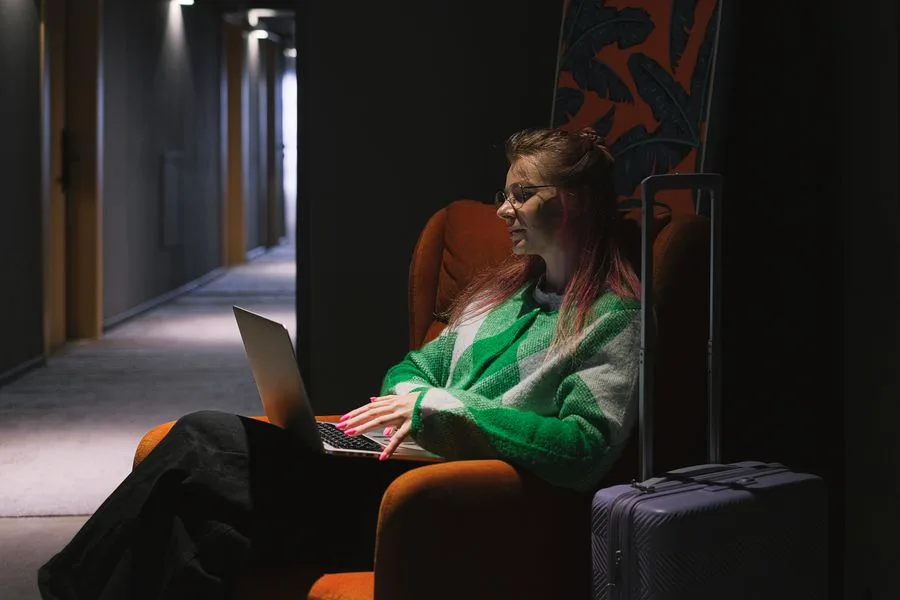
The way we travel is changing rapidly. A comfortable bed, good service and a convenient location remain important, but today’s travellers increasingly expect technology to make their stay easier, faster and more personalised. From reliable high-speed Wi-Fi and mobile check-in to smart lighting and digital room controls, technology is becoming an integral part of the modern hotel experience.
For hotels, these developments are about more than simply adding gadgets to guest rooms. The most effective technology removes friction from a trip, giving travellers greater control while allowing hotel staff to concentrate on the parts of hospitality where personal service matters most.
Connecting the Digital Dots for Visibility
For modern properties, investing in smart-room technology is only half the battle. Hotels also need potential guests to know these features are available before they make a booking.
This is where strategic online visibility comes into play. Properties are increasingly turning to specialised
hotel digital marketing to highlight their high-tech amenities and attract travellers looking for a more connected stay.
Through search engines, social media and targeted online campaigns, hotels can showcase features such as mobile check-in, high-speed Wi-Fi, smart-room controls and dedicated workspaces to the travellers most likely to value them.
Technology can also help hotels better understand what returning guests prefer. Used responsibly, information from previous bookings and stays can help properties provide more relevant offers and personalised experiences before arrival and throughout a trip.
Catering to Remote Workers and Digital Nomads
Remote and hybrid working have changed the relationship between work and travel. For many people, being away from the office no longer necessarily means being on holiday, helping to fuel the popularity of workations, extended stays and digital-nomad lifestyles.
This creates a different set of expectations for hotels. Someone staying for a week while working remotely may care just as much about Wi-Fi reliability, accessible power sockets and a comfortable workspace as they do about the swimming pool or breakfast buffet.
Remote workers also tend to arrive with plenty of their own technology. Making sure they pack the right
essential travel gadgets is part of preparing for the trip, but the hotel’s infrastructure needs to work smoothly with those devices once they arrive.
Fast and dependable Wi-Fi is particularly important, alongside conveniently placed charging points, comfortable desks and straightforward digital check-in. Some hotels are going further by introducing coworking areas and flexible communal spaces where guests can work outside their rooms.
Smart Innovations Transforming the Guest Room
Smart technology is becoming increasingly visible inside hotel rooms, with international chains and independent properties experimenting with new ways to give guests greater control over their surroundings.
Mobile room controls: Hotel apps can now do much more than manage a reservation. At participating properties, guests may be able to use their smartphone as a room key or control elements of their stay digitally.
Connected entertainment: Smart TVs and streaming technology allow travellers to access their own entertainment rather than relying solely on traditional hotel television channels.
Automated rooms: Hotels such as citizenM have embraced technology extensively, offering self-service check-in alongside rooms where guests can control features such as lighting, blinds and temperature digitally.
Smart energy management: Occupancy sensors, intelligent thermostats and automated lighting can help hotels avoid unnecessarily heating, cooling or lighting empty rooms. As well as reducing energy use, these systems can make rooms more comfortable for guests.
Digital check-in and mobile keys: After a long journey, skipping a reception queue can be particularly welcome. Digital check-in and smartphone room keys are helping to make arriving at a hotel quicker and more convenient.
Artificial Intelligence and the Future of Hospitality
Not every technological development is immediately visible to travellers. Some of the biggest changes are taking place behind the scenes.
Hotels are increasingly exploring artificial intelligence and automation to analyse demand, manage bookings, respond to routine enquiries and streamline administrative tasks. AI can also help properties identify patterns in guest preferences and anticipate periods of higher or lower demand.
Importantly, greater automation does not have to mean removing people from the hotel experience. Used effectively, technology can take care of repetitive tasks while giving employees more time to provide the personal service that guests remember.
Finding the right balance will be important. A traveller may appreciate being able to check in using their phone late at night without waiting at reception, but they may still want to speak to a knowledgeable member of staff when they need a restaurant recommendation, local advice or help solving a problem.
What Could the Hotel of the Future Look Like?
The next generation of hotel technology could make stays even more personalised. Smart-room systems may increasingly remember a returning guest’s preferences, automatically adjusting elements such as lighting and temperature, while AI-powered services could provide more relevant recommendations throughout a trip.
Augmented and virtual reality could also become more common during the booking process. Instead of relying entirely on photographs, travellers could explore rooms, restaurants, pools and other hotel facilities through immersive virtual tours before deciding where to stay.
Sustainability is another area where smart technology could have a significant impact. Connected systems can help hotels monitor energy and water consumption more accurately, potentially reducing waste without requiring guests to compromise on comfort.
However, hotels will need to avoid introducing technology simply for the sake of it. Complicated apps, unreliable smart controls or unnecessary digital processes can create frustration rather than convenience. The most successful innovations are likely to be those that guests barely notice because they simply make their stay work better.
As the boundaries between work, leisure and travel continue to change, hotels are adapting with them. Smart technology will not replace the fundamentals of good hospitality, but it can remove inconveniences, provide greater flexibility and give travellers more control over their stay.
For travellers accustomed to managing everything from flights and payments to entertainment through a smartphone, the smart hotel is no longer a futuristic concept. Increasingly, it is simply part of the modern travel experience.