Travelling can be an enriching experience, but it comes with its own set of uncertainties. Even if you meticulously plan every detail, there's always the chance of sudden, unexpected setbacks. These can range from inconveniences like lost baggage or delayed flights, to more serious situations like medical emergencies or natural disasters.
Left unprepared, you can find yourself under a considerable amount of stress. That’s why it is imperative to prepare for unexpected travel emergencies beforehand. This article highlights some valuable steps that travellers must follow to ensure they are ready for any unpredictable event that might arise on their journey.
Invest in Travel Insurance
Invest in a solid travel insurance policy before embarking on your journey. Just imagine, you've planned a dream vacation, but at the last moment, one of the travellers falls ill, forcing you to cancel or postpone the trip. If you don't have
trip protection, you could lose a lot of money. Travel insurance can cover trip cancellations, delays, lost luggage, and medical emergencies, besides other mishaps. Make sure you read the fine print to understand what's covered and what isn't.
Know your Destination Well
Research your destination to understand its geography, culture, laws, and potential hazards. It’s important to be aware of the current political situation and updates about any ongoing threats, like diseases or natural disasters. Websites like the U.S. Department of State’s Travel Advisory page can provide up-to-date information about the safety of various countries.
Keep Your Documents Safe
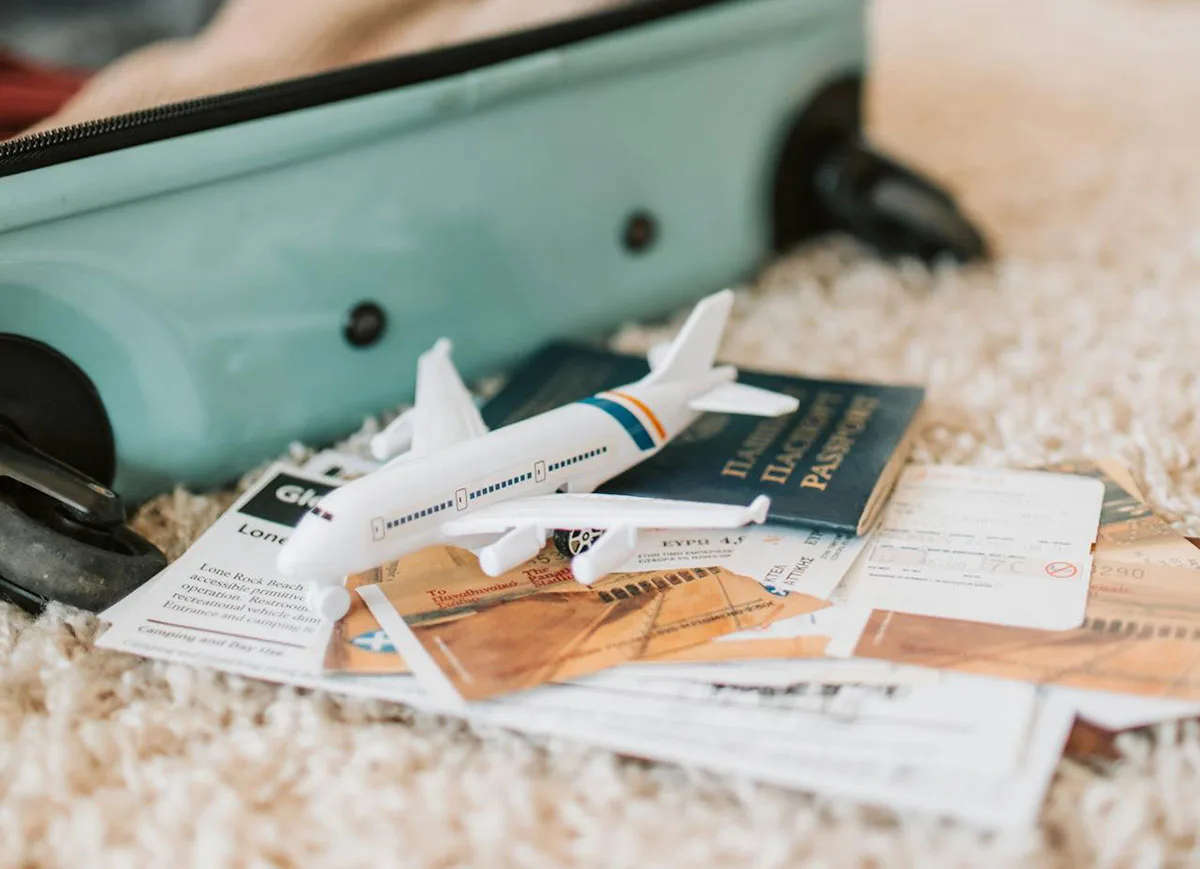
Secure your important documents before you leave. Make multiple copies of your passport, visa, ID, credit cards, and insurance documents. Leave one set of copies at home with a trusted person and carry the others with you. Also, consider storing them digitally in a secure cloud storage service so you can access them anytime, anywhere.
Register with Your Embassy
If you're travelling abroad, register with your home country's embassy in your destination country. In the event of an emergency, your home country will be able to locate and assist you more efficiently. The U.S. Department’s Smart Traveller Enrollment Program (STEP) is one such service for U.S. citizens travelling abroad.
Keep an Emergency Kit
Always carry a basic emergency kit, which includes first-aid supplies, necessary medication, a flashlight, a spare phone charger, and small amounts of cash. If you're travelling to a place prone to certain natural disasters like earthquakes or hurricanes, your kit should include items specific to dealing with such disasters.
Learn Basic Skills
Before your trip, learn some basic skills that could be lifesavers. Depending on your destination and travel itinerary, these could be survival skills such as knowing how to build a fire, swimming, or
basic first aid. Even learning a few phrases in the local language of your destination can be helpful.
Keep Emergency Contacts Handy
Research and list down the local emergency numbers of your destination country, like the police, fire department, and ambulance services. Also include the contact details of your country’s embassy or consulate.
Conclusion
While the chances are slim that you'll face a major emergency while travelling, the mantra '
better safe than sorry' applies perfectly. By following these steps, you'll be prepared for whatever comes your way and can confront unexpected events with confidence and calm, ensuring that your travel remains a memorable experience in the right ways.