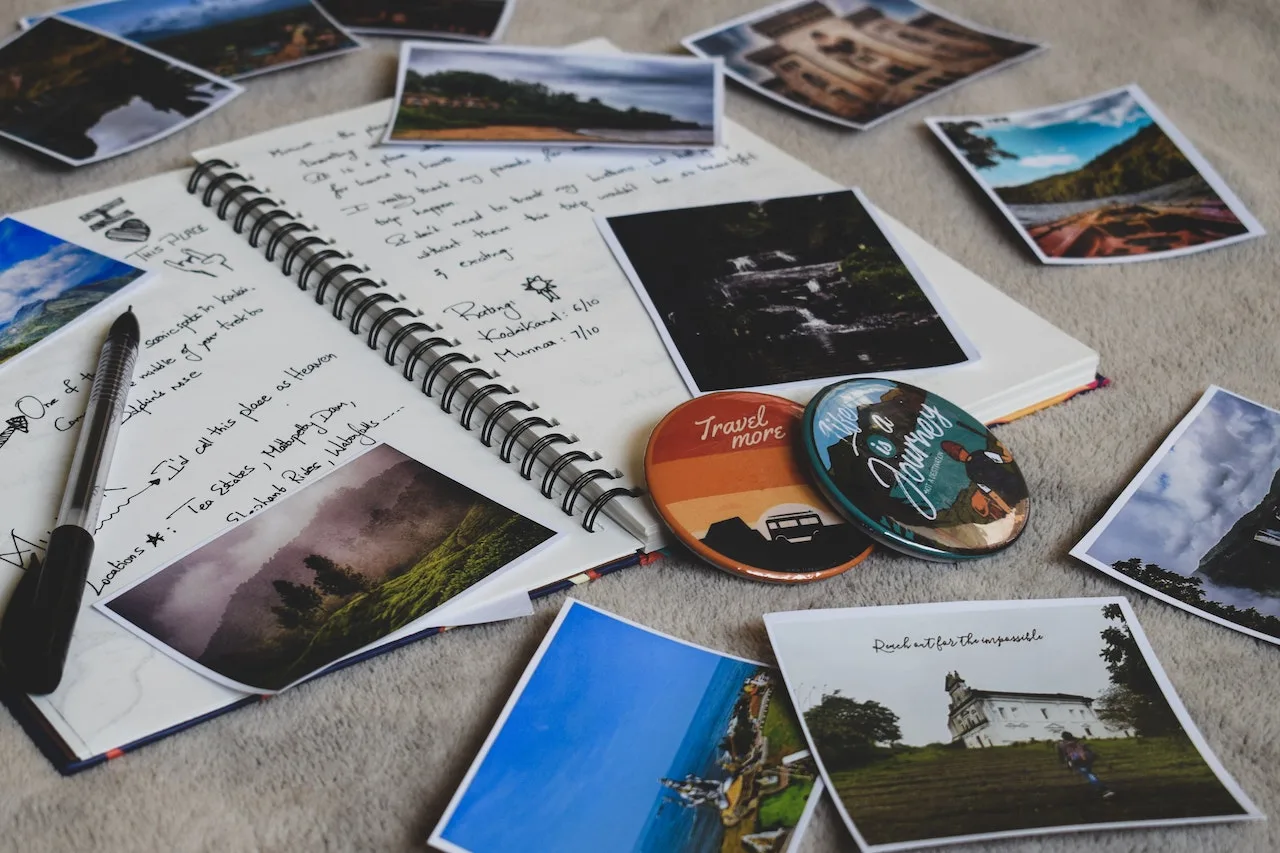
Travelling is an incredible way to experience new cultures, meet new people, and create unforgettable memories. However, as time passes, memories can become blurred, and experiences fade away. That is why many people turn to photographs and videos to capture and preserve their travel memories. While these are excellent ways to document and share experiences, they are not the only options. In fact, keeping a travel journal can be one of the most rewarding and fulfilling ways to preserve your travel memories.
In this post, we will explore the advantages of keeping a travel journal, the different types of travel journals, how to start a travel journal, and examples and inspiration to get you started.
Advantages of a Travel Journal
One of the most significant advantages of keeping a travel journal is that it allows you to create a personalised keepsake. With a journal, you can reflect on your experiences, record your thoughts and feelings, and capture unique moments that may have gone unnoticed with just photographs or videos. Additionally, keeping a travel journal can help you develop your writing skills and creativity.
Another advantage of a travel journal is that it helps you preserve your travel memories in greater detail. Unlike photographs and videos, a journal allows you to document not only what you see, but also what you smell, taste, hear, and feel. When you write down your experiences, you are more likely to remember them later. Plus, a journal can be a great way to remember smaller details that may have been forgotten over time.
- Emotional and Mental Benefits
Keeping a travel journal can also have significant emotional and mental benefits. Journaling is a form of self-reflection that allows you to process your experiences, thoughts, and feelings. By reflecting on your travels, you can gain a deeper understanding of yourself, improve your mood, and enhance your overall
wellbeing. Additionally, a travel journal can be a great way to connect with others by sharing your experiences and memories.
Different Types of Travel Journals
- Traditional pen-and-paper journals
Pen-and-paper journals are the most traditional and straightforward option for keeping a travel journal. They can be bought at any bookstore, and you can write in them anywhere without worrying about power or Wi-Fi. However, they can be bulky and heavy to carry, and they run the risk of getting lost or damaged.
- Digital journals and online platforms
Digital journals are a popular option for those who prefer a paperless approach. There are many online platforms and apps that allow you to create digital journals, including Google Docs, Evernote, and Penzu. They can be accessed from any device with an internet connection, making them easy to update and share. However, they can be vulnerable to technical issues, and some people may miss the tactile experience of writing on paper.
Hybrid journals combine the best of both worlds by allowing you to combine pen-and-paper elements with digital features. For example, you can write in a traditional journal and then scan or photograph your pages to store them digitally. Or you can use a journal that has a built-in pen and paper component and a digital app that syncs with your notes. Hybrid journals can be more expensive than traditional or digital options, but they offer the most flexibility and versatility.
How to Start a Travel Journal
Choosing the format. When it comes to starting a travel journal, the first thing you need to do is decide on the format that works best for you. Consider your preferences, your travel style, and the kind of memories you want to capture. If you prefer traditional methods and enjoy writing by hand, a pen-and-paper journal might be the best option. If you prefer a digital approach and want to be able to share your travel journal easily with others, a digital journal or online platform might be more suitable. Alternatively, if you want the best of both worlds, a hybrid journal might be the way to go.
Choosing a theme. Once you have decided on the format, consider choosing a theme for your travel journal. This can help give your journal structure and direction. For example, you could focus on documenting your culinary experiences, your interactions with locals, or your outdoor adventures. Alternatively, you could simply write about your daily experiences and reflections. Remember, your journal is entirely personal, so you can choose whatever theme feels most relevant and interesting to you.
Pack journaling essentials
When packing for your trip, make sure to include all the necessary items for journaling. If you are using a pen-and-paper journal, bring a notebook or journal with you, along with pens or pencils. If you are using a digital journal, make sure you have the necessary device and a reliable internet connection. Additionally, consider bringing along other items that can help enhance your journaling experiences, such as a camera or a small memento to include in your journal.
Set aside time to journal
To make the most of your travel journal, it is essential to set aside dedicated time to write and reflect. This can be during downtime on a long flight or
train ride, at the end of the day before bed, or during a quiet moment in a cafe or park. By making journaling a priority, you are more likely to create a detailed and meaningful record of your experiences.
Examples and Inspiration
To help inspire your own travel journal, here are some examples of creative and unique approaches to journaling:
If you enjoy drawing or painting, consider creating an illustrated travel journal. This type of journal combines written reflections with visual representations of your experiences, such as sketches or watercolour paintings.
A collage journal uses a mix of written reflections, photographs, and other visual elements, such as ticket stubs or postcards. This approach allows you to create a visual representation of your travel experiences.
Keeping a travel journal, whether it’s drawing, jotting down stories, or taking in-depth notes, is one of the best ways to truly capture and honour your journey. Even when years have gone by since your trip has ended, you’ll always have that book of dreams and adventures to flip through and smile about.
So go ahead, take a pocket full of photos but don’t forget to fill a pocket full of stories too! After all, those are the best souvenirs money can buy.