All across the globe, myth seeps into mortar and stone, as if stories built the world just as much as human hands did. You’ll find it on windswept peaks, stony ruins, and in the quiet hush of lakes. Ancient tales grant ordinary places a supernatural pulse, shaping how they’re remembered, visited, and retold, sometimes even lending their names to modern cultural touchstones like
gates of olympus.
It’s easy to see why millions flock to these sites, eager to trace the footsteps of gods and monsters. UNESCO noted last year that nearly 12% of global heritage tourism targets places laden with myth. Turns out, people crave the magic beneath the surface, not just sun and scenery. Legends tend to outlast empires.
Ancient symbols and their enduring appeal
If you ever stand before the Great Sphinx of Giza, you feel even the air is old. Cut from limestone some 4,500 years ago, this guardian merges a man’s face with a lion’s body, paired with a god’s silent stare. The ancients called it Harmachis, the god of the dawn.
There’s that story about Prince Thutmose IV: he napped against its buried frame around 1400 BC, dreamt the Sphinx promised him the crown if he’d dig it free, and, according to nearby carvings, he did just that. It’s a tale with staying power. Maybe that’s why about three million visitors show up each year, guided by half-remembered legends as much as audio tours.
Influence of myth on Mediterranean landmarks
In the Mediterranean, layers of myth and land coil tightly together, underscoring
their cultural significance in various historical and contemporary contexts. Mount Olympus in Greece rises almost 3,000 meters above the sea, a mist-struck peak where ancient Greeks pictured their gods feasting and feuding. There’s even an Olympus Marathon now, with runners chasing altitude and legend alike.
Travel further south, and you’ll hit the mysterious halls of Knossos in Crete, site of the Labyrinth, with its supposed Minotaur, mapped out by archaeologists even today. Meanwhile, over in Turkey, Troy reveals itself with its windswept ramparts and Schliemann’s 19th-century ruins, each stone echoing the sagas of Achilles and Helen. More than 300,000 people still come yearly, seeking out the war-haunted city of Homer’s imagination.
What’s striking is how myth now ripples through digital culture too. Imagery referencing the labyrinth, the Minotaur, or the gates of Olympus has become common in digital recreations and themed games. This crossover further cements their place in pop culture while guiding fresh waves of curiosity toward physical locations.
Eastern legends and monumental art
In Asia, sacred landscapes aren’t just backdrops but storytellers themselves. The Leshan Giant Buddha, sculpted into a riverside red cliff back in the 8th century, dominates the mist and river, a 71-meter statue conserved by centuries of faith. Villagers started chiselling the enormous Buddha, hoping to calmthe waters they believed were haunted by spirits.
It must’ve worked, or maybe the story alone changed the place. Either way, around two million people journey here every year. In China, peaks like Mount Tai thrum with stories of immortals and dragons, and festivals honouring these old spirits keep myth and place tightly braided.
Legends dare to rival modern tourism and cultural identity
Scotland’s Loch Ness is thick with legend, thanks to Nessie, its elusive monster. The earliest written stories go back to the 5th century, but it was the 1930s that turned those rumours into global fascination. At this point, about 400,000 visitors a year loop the lake’s shore, secretly watching the water for any hint of a ripple. Most settle for the enduring tale.
Then there’s Mount Ida in Turkey, Ireland’s Darby’s Bed, Prometheus Rock near Sochi, or Bran Castle in Romania. The latter is forever entwined with the Dracula myth despite shaky historical ties. Every year, local festivals and exhibitions conjure these tales anew, supporting local economies and sustaining identity through imagination. It’s a lively cycle: myth inspires visits, visits feed the myth, and so it goes.
Myth and cultural heritage in a global context
People these days want more than pretty backdrops. They crave stories woven through the stones. In fact, by 2022, two in five
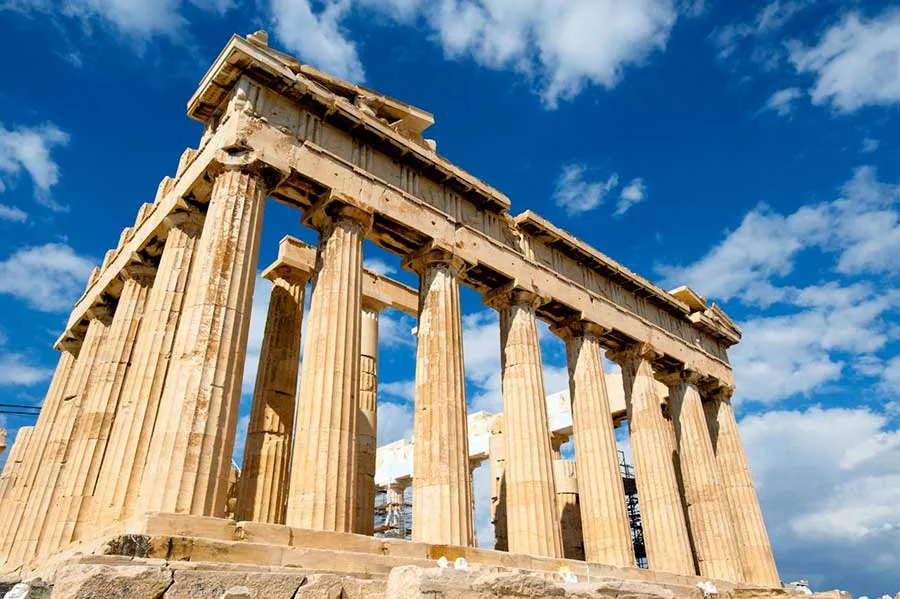
tourists were seeking places with distinctive cultural significance in various cultural narratives. Delphi, the Athens Acropolis, they barely need an introduction, built on centuries of oracles and heroics. Fluctuations in travel happen, but sites with powerful myths are stubbornly resilient.