Cinema has a way of fixing places in memory long after the credits roll. The UK and France have both served as backdrops for decades of well-known films, with locations that range from busy cities to remote countryside. This guide looks at a selection of filming spots you can visit, linked by practical routes that make it easy to move between them.
Getting around between countries
Travelling between the UK and France is straightforward, with rail offering one of the most efficient options. Booking a
train from London to Paris allows you to move between the two capitals in just over two hours, with departures throughout the day. Services run from St Pancras International to Gare du Nord, both centrally located and well connected to local transport networks. The process is simple, with security checks handled at the departure station rather than on arrival. This means you can step off the train in Paris and continue your journey without additional delays. Luggage stays with you, and seating is reserved in advance, making the trip predictable and comfortable. The route passes under the English Channel through the Channel Tunnel, though most of the journey is spent above ground in northern France. This connection makes it easy to combine film locations across both countries in a single itinerary. It also reduces travel time compared to flying when you factor in airport procedures.
London on screen
London has been used as a filming location across a wide range of genres, from historical dramas to modern action films. Landmarks such as Westminster Bridge and St. Paul's Cathedral appear in numerous productions, often used to establish the setting quickly. The area around Leadenhall Market was used as a stand-in for Diagon Alley in the Harry Potter films, and it remains open to the public with shops and cafés. Walking routes through central London allow you to connect several filming locations in a single day without needing transport. The city’s layout, with historic and modern architecture side by side, makes it adaptable for different types of scenes. Film studios such as Warner Bros. Studios Leavesden, just outside London, offer a closer look at how major productions are made. Public transport makes it easy to reach both central and outer locations. Even without a strict itinerary, many recognisable spots appear naturally as you explore. This makes London one of the easiest cities to navigate for film-related travel.
Scotland’s cities and filming locations
Scotland’s urban settings bring a different tone to film locations, combining historic architecture with more compact city layouts. Edinburgh is one of the most recognisable, with its old town streets, steep alleys, and skyline dominated by the castle. These features have made it a natural choice for period dramas and literary adaptations. Glasgow, by contrast, is often used as a stand-in for other cities due to its mix of Victorian and modern buildings. Streets in the city centre have appeared in films that require a European, or even American, setting. Dundee has also gained more recent attention, with waterfront redevelopment and cultural venues offering new filming backdrops. Travelling between these cities is relatively simple by train, with frequent services connecting them. For visitors interested in
tours to Scotland, itineraries often include stops in at least one of these urban centres alongside nearby landmarks. Each city offers a different perspective, from Edinburgh’s historic density to Glasgow’s broader streets and industrial past. This variety makes Scotland’s cities as relevant to film as its landscapes.
England and the Scottish countryside on film
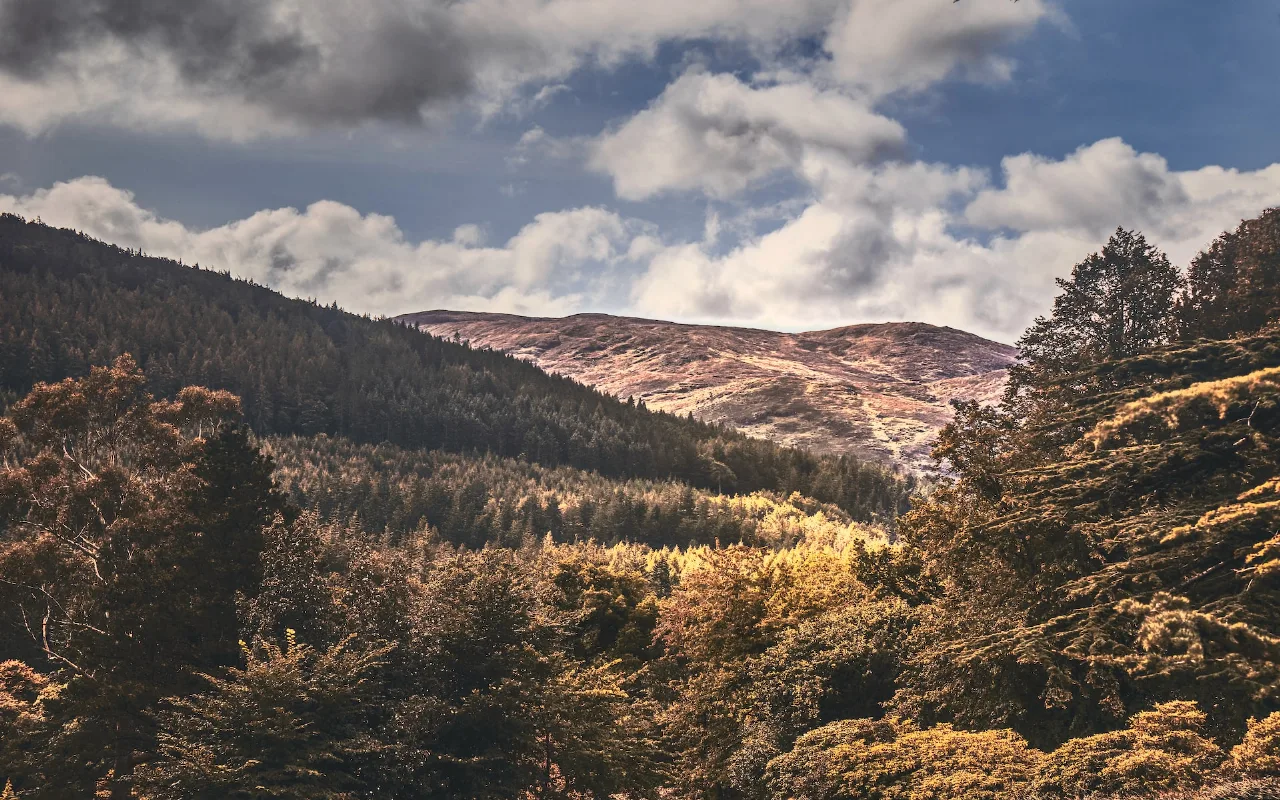
Outside London, both England and Scotland have provided settings for period dramas, fantasy films, and historical productions. The village of Lacock has appeared in productions including Harry Potter and Pride and Prejudice, largely because of its preserved medieval streets. Highclere Castle, known as the setting for Downton Abbey, is open to visitors during certain times of the year. The landscape of the Cotswolds, with its rolling hills and stone villages, has been used in multiple films that require a rural English setting. Moving further north, Scotland introduces a more rugged environment, with mountains, lochs, and coastal scenery that contrast with England’s softer countryside. The Glenfinnan Viaduct is one of the most recognisable filming locations, featured in the Harry Potter series as part of the Hogwarts Express route. Eilean Donan Castle has appeared in several productions, including Highlander and James Bond films. These locations are more spread out, so travel often involves a mix of train and road connections. The pace across these regions is slower, with fewer crowds and more time spent moving between sites. Visiting both England and Scotland’s countryside provides a broader sense of how different landscapes are used in film.
Paris as a film setting
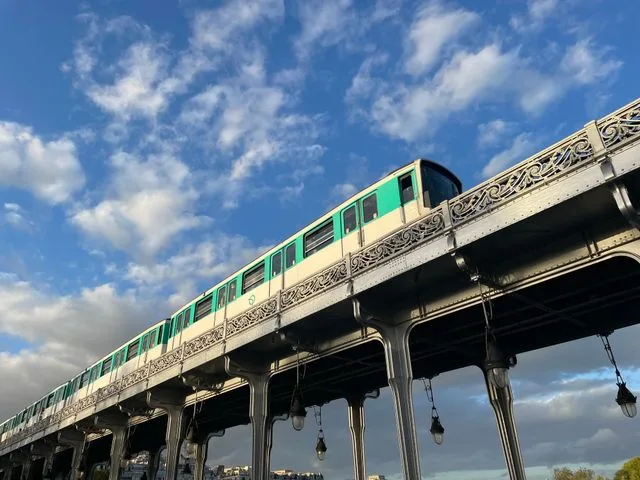
Paris has long been associated with cinema, both as a filming location and as a centre for the film industry itself. Landmarks such as the Eiffel Tower and Montmartre appear frequently in films, often used to establish the city’s identity. Montmartre, in particular, was featured in Amélie, with several cafés and streets still recognisable today. Walking through these areas allows you to see how locations are used in different contexts across films. The Louvre Museum has also appeared in major productions, including The Da Vinci Code. Paris is compact enough that many filming locations can be reached on foot or by metro. The city’s layout, with its wide boulevards and riverbanks, makes it adaptable for various types of scenes. Film history is also present in institutions such as the Cinémathèque Française, which focuses on preservation and exhibitions. The mix of everyday life and cinematic references is easy to notice. It creates a setting that feels both familiar and layered.
French countryside and coastal locations
Beyond Paris, France offers a range of filming environments, from rural villages to coastal landscapes. The region of Provence has been used in films such as A Good Year, with vineyards and small towns forming the backdrop. The village of Saint-Rémy-de-Provence is one example, with streets and surrounding countryside that remain largely unchanged. Along the northern coast, Normandy has been used in historical films, particularly those related to the Second World War. Locations such as the D-Day landing beaches are accessible to visitors and include museums and memorials that provide context. Travel between these areas often requires a combination of train and car, depending on how remote the location is. Compared to Paris, these regions are quieter and less structured for tourism. This makes them suitable for travellers who want a slower pace and fewer crowds. The variety of landscapes across France allows for different types of film settings within a single country. It also adds depth to an itinerary that includes both urban and rural locations.
Bringing the journey together
Exploring film locations across the UK and France combines well-known landmarks with places that are less immediately recognisable but equally important on screen. Rail connections and short travel times make it possible to link these destinations without complex planning. Moving between cities and countryside locations adds variety to the trip, both visually and in terms of pace. Visiting these sites also provides context for how films are made, showing how real places are adapted for different stories. Whether you focus on a few key locations or build a longer route, the structure remains flexible. It is a practical way to explore two countries through a shared interest in cinema.