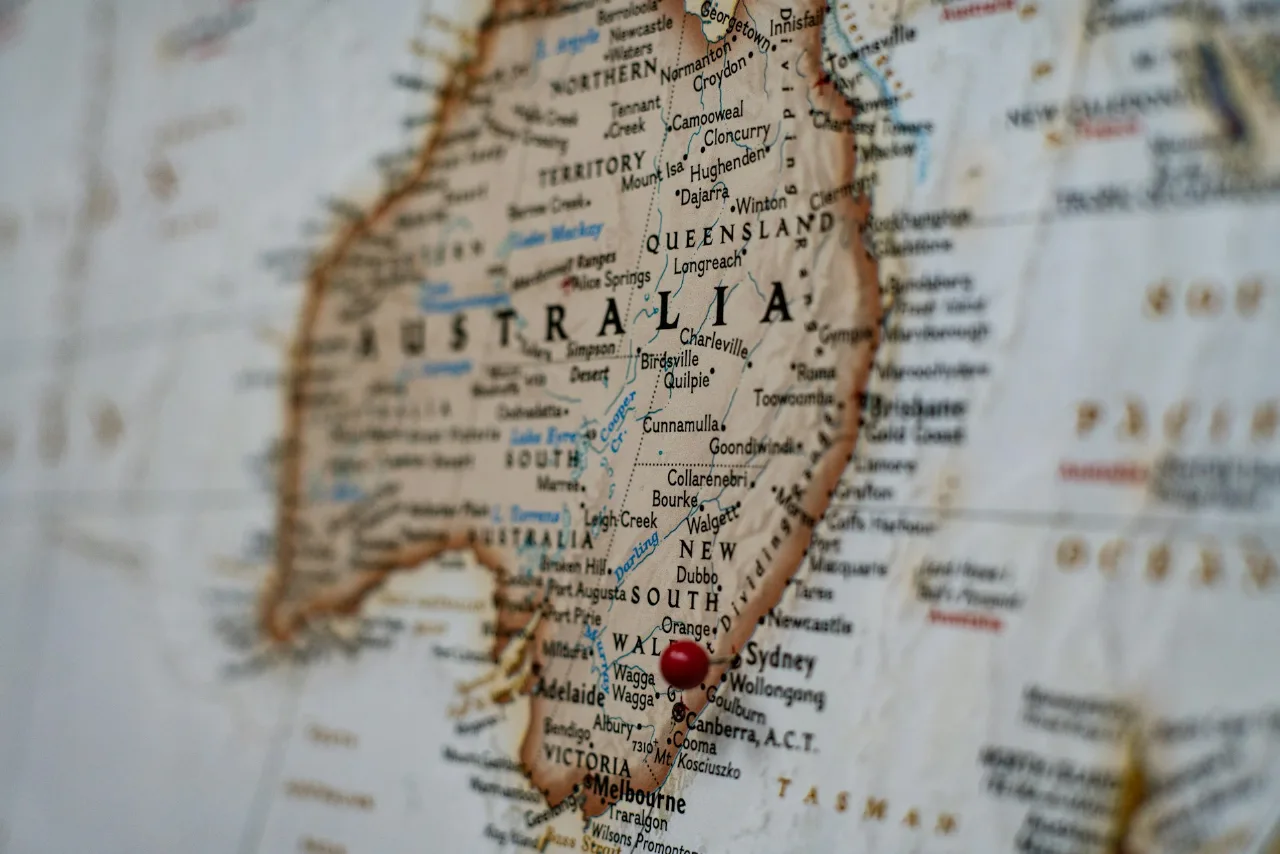
Exploring the Pros and Cons of Moving to Australia: Is the Land Down Under Right for You?
Introduction:
Moving to a new country is a significant decision that requires careful consideration of various factors. Australia, known for its stunning landscapes, diverse culture, and high quality of life, often emerges as an attractive destination for expatriates seeking new opportunities. However, like any relocation, there are both pros and cons to moving to the Land Down Under. In this article, we delve into the advantages and disadvantages of making Australia your new home.
Pros:
1. High Quality of Life:
Australia consistently ranks among the top countries for quality of life. Its excellent healthcare system, robust economy, and high standard of living contribute to a comfortable lifestyle for residents. The country boasts a strong education system, providing access to top-notch schools and universities.
2. Stunning Natural Beauty:
From the
iconic beaches of Bondi and the Great Barrier Reef to the rugged Outback and lush rainforests, Australia offers unparalleled natural beauty. Outdoor enthusiasts can enjoy a plethora of activities such as surfing, hiking, snorkelling, and wildlife watching, making it an ideal destination for nature lovers.
3. Diverse Culture and Society:
Australia is a melting pot of cultures, with a rich tapestry of traditions, cuisines, and festivals. Its multicultural society fosters tolerance and acceptance, creating a vibrant and inclusive community. Immigrants are welcomed and encouraged to celebrate their heritage while embracing Australian values.
4. Strong Economy and Job Opportunities:
With a stable economy and low unemployment rates, Australia presents ample job opportunities across various industries. Skilled migrants, in particular, are in high demand, especially in sectors such as healthcare, engineering, IT, and construction. The country also offers favourable wages and working conditions.
5. Excellent Healthcare System:
Australia's healthcare system is renowned for its accessibility and quality of care. Residents have access to public healthcare through Medicare, which covers essential medical services. Additionally, private healthcare options are available for those seeking additional benefits and shorter wait times.
For those planning to settle long-term, Australia also offers a wide range of housing options beyond the major cities. Regional areas are becoming increasingly popular with new arrivals, with options such as
Goulburn house and land packages appealing to families and professionals seeking more space, affordability, and a quieter
lifestyle without sacrificing connectivity.
Cons:
1. High Cost of Living:
While Australia offers a high quality of life, it comes at a price. The cost of living in major cities like Sydney and Melbourne can be steep, particularly in terms of housing, transportation, and childcare. Rent and property prices, in particular, can be prohibitively high, making it challenging for some expatriates to afford desirable accommodations. Many new arrivals choose to downsize when they first move, often relying on
self storage in Brisbane or other major cities to keep belongings safe until they’re settled. Relocation costs can also mount quickly, from flights and deposits to furniture and transport, so some people may compare savings, credit and
personal loan options when working out how to cover the upfront expense of a move.
2. Distance from Family and Friends:
Moving to Australia often means being thousands of miles away from loved ones back home. The distance can lead to feelings of isolation and homesickness, especially during important milestones or holidays. Maintaining connections with family and friends requires effort and may involve costly and time-consuming travel.
3. Harsh Climate and Environmental Challenges:
While Australia's climate is generally favourable, it can also be harsh and unpredictable. Parts of the country experience extreme temperatures, bushfires, droughts, and cyclones, posing environmental challenges and safety concerns. Climate change is exacerbating these issues, leading to concerns about long-term sustainability and resilience.
4. Visa and Immigration Regulations:
Navigating Australia's immigration system can be complex and time-consuming, particularly for those without specialised skills or sponsorship. Obtaining a visa often requires meeting stringent criteria and undergoing thorough assessments, which can be a daunting process for prospective migrants. Changes in immigration policies and quotas may also impact eligibility and timelines.
5. Unique Fauna and Wildlife Hazards:
Australia is home to a diverse array of wildlife, including some of the world's most venomous snakes, spiders, and marine creatures. While encounters with dangerous animals are rare, they do occur, particularly in rural and coastal areas. Additionally, bushwalking and outdoor activities carry inherent risks, such as exposure to extreme weather conditions and wildlife encounters.
Moving to Australia | Conclusion:
Moving to Australia offers a wealth of opportunities for individuals and families seeking a high quality of life in a diverse and vibrant country. From its stunning natural landscapes to its strong economy and inclusive society, Australia has much to offer prospective migrants. However, it's essential to weigh the pros and cons carefully and consider factors such as the cost of living, distance from loved ones, and environmental challenges before making the decision to relocate. Ultimately, whether Australia is the right destination for you depends on your individual circumstances, priorities, and aspirations. When you decide to move to Australia, you may want to use unique
Custom Luggage Tags. Print your expectations for your new life or photos of your family and friends on it, and it will become your exclusive companion across the ocean.